
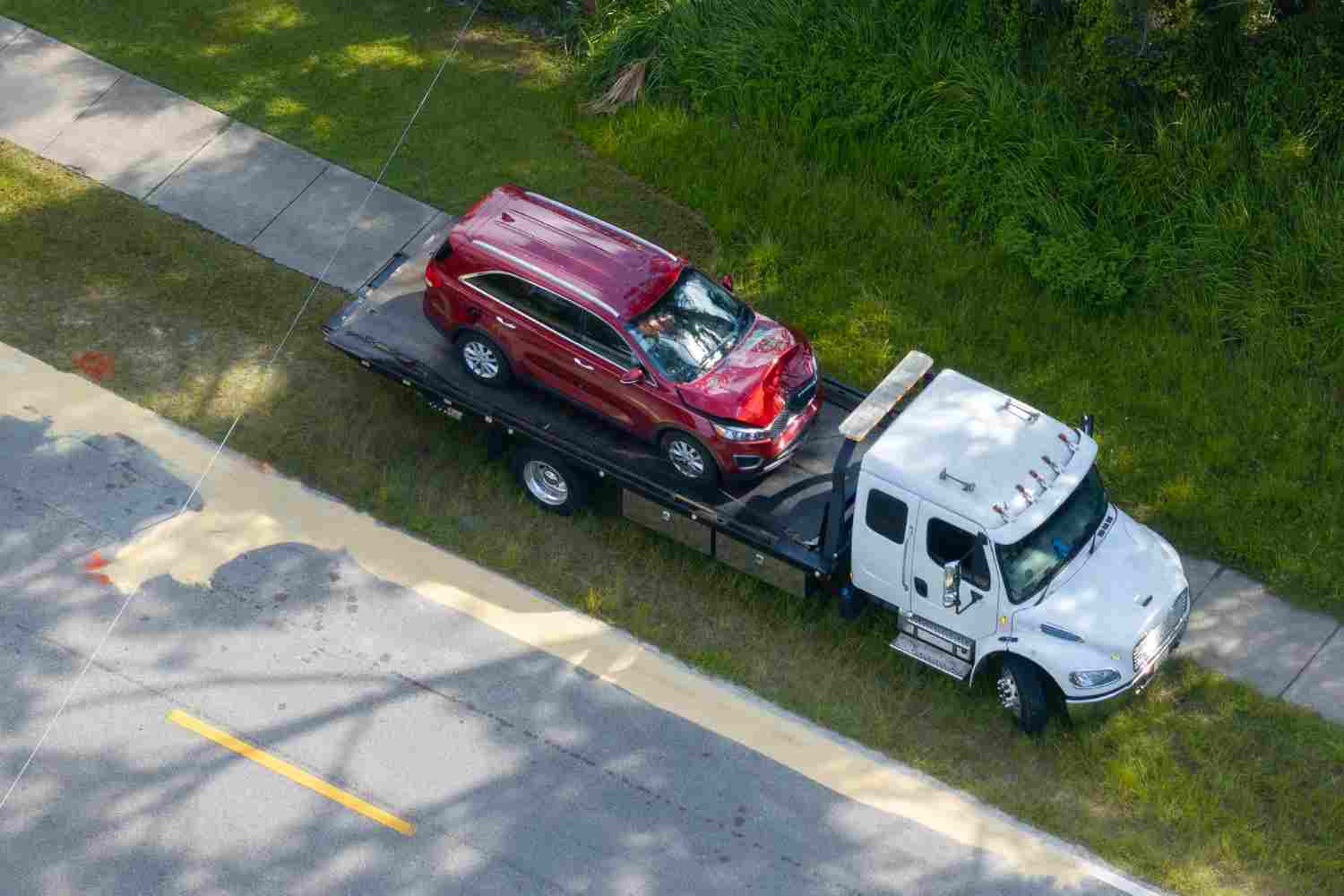
Truck accident cases in Chicago rarely move at a predictable pace. A minor fender-bender might settle in six weeks. A crash involving a jackknifed semi on I-90 with three injured victims and a trucking company’s insurer fighting every point of liability can take eighteen months or longer. The difference usually comes down to a handful of factors that either speed a case toward resolution or force it into a longer fight.
Here’s what actually drives that timeline, and what you can do about the parts you control.
How Badly You Were Hurt Sets the Floor
The single biggest driver of case length is medical recovery. If you walked away with soft-tissue injuries and finished treatment in a few months, your attorney can document damages and start negotiating relatively soon. If you’re facing spinal fusion surgery, months of rehabilitation, or a traumatic brain injury with an uncertain long-term prognosis, your lawyer will typically wait until you reach Maximum Medical Improvement (MMI) before pushing hard on settlement.
That wait isn’t stalling. It’s protection. Settle too early, before doctors know the full scope of your future care needs, and you sign away your right to ask for more later. Illinois personal injury settlements are final. There’s no reopening the case six months after signing because a second surgery turned out to be necessary.
Rushing costs you money. That’s the short version.
A Realistic Month-by-Month Look
Month one is almost entirely about medical treatment and evidence preservation: your attorney sends spoliation letters demanding the trucking company preserve ELD data, dashcam footage, and maintenance records before they’re routinely deleted or overwritten. Months two through six, or longer for serious injuries, are spent continuing treatment while the investigation runs in the background, pulling driver qualification files, hours-of-service logs, and inspection history.
Once you reach MMI, your attorney compiles a demand package and sends it to the insurer, which typically has 30 to 60 days to respond with an initial offer. If negotiations stall, either side can request mediation, which can resolve a case in weeks if both sides are motivated, or accomplish nothing if the gap between positions is too wide. If mediation fails and the insurer’s final offer still doesn’t reflect the case’s value, filing suit starts a new phase measured in months, not weeks.
Figuring Out Who’s Actually Liable
Car accidents usually involve two drivers and two insurance companies. Truck accidents routinely involve five or six parties with a financial stake in minimizing what they pay: the driver, the trucking company, the company that owns or leases the truck, the business that loaded the cargo, and sometimes the manufacturer of a defective part.
Each of those parties has its own insurer, its own lawyers, and its own incentive to point at someone else. Untangling that takes real investigative work: pulling the truck’s electronic logging device (ELD) data under 49 CFR Part 395, obtaining driver qualification files and hours-of-service logs, reviewing maintenance and pre-trip inspection records required under 49 CFR Part 396, and sometimes bringing in an accident reconstructionist.
If the trucking company leased the vehicle or the driver was technically an independent contractor, the Graves Amendment and various indemnification agreements can complicate who actually pays. More parties means more time. There’s no way around that.
Freight brokers add another wrinkle. When a broker arranges the shipment but doesn’t own the truck, its insurer will typically argue the broker bears no liability at all, since brokers generally aren’t held vicariously liable for a carrier’s negligence absent unusual circumstances. Whether that argument holds up depends heavily on the specific contract between broker and carrier, and untangling it is its own mini-investigation layered on top of everything else.

Why Multiple Insurance Layers Slow Things Down
Federal law requires interstate trucking companies to carry at least $750,000 in liability coverage, and cargo tankers carrying hazardous materials must carry significantly more. But that federal minimum is rarely the whole picture. Most commercial fleets carry excess or umbrella policies stacked on top of a primary policy, sometimes pushing total available coverage past $5 million.
Each layer of coverage has its own claims adjuster, and umbrella insurers typically won’t engage seriously until the primary layer is close to exhausted. That structure alone can add months to a high-value claim, because the excess carrier is watching from the sidelines rather than negotiating from day one.
What Evidence Exists, and How Fast You Can Get It
Trucking companies are required to preserve certain records after a crash, but they don’t always cooperate quickly, and some data (especially ELD logs) can be overwritten on a rolling basis if nobody sends a preservation letter fast enough. That’s one reason contacting an attorney early matters more in truck cases than in an ordinary car accident claim.
Evidence that typically shapes a truck case includes:
- ELD and black box data showing speed, braking, and hours driven
- Driver qualification files, drug and alcohol testing records
- Maintenance logs and DOT inspection reports
- Dashcam or nearby surveillance footage
- The Illinois Traffic Crash Report and any post-crash investigation
- Witness statements taken close to the event, before memories fade
Gathering all of that carefully takes weeks at minimum. Cutting corners here to move faster is how cases lose value later.
Why Chicago’s Geography Adds Its Own Complications
A large share of truck traffic through the region runs along I-90, I-94, and I-55, and a meaningful chunk of it serves the O’Hare-area logistics and distribution corridor. A crash on the Kennedy or the Tri-State can involve a truck registered in one state, a driver based in another, a leasing company headquartered in a third, and a shipper with no Illinois presence at all. Figuring out which court has jurisdiction, and whether a defendant can even be served with a lawsuit without extra delay, is a real early-stage question in cases like these.
Venue matters too. A crash that happens in Cook County but involves a defendant based in DuPage or Will County can sometimes be litigated in more than one place, and where a case is filed can affect both the pace of the docket and, historically, how juries value certain types of injuries.
Whether the Insurance Company Wants to Deal
Some insurers negotiate in reasonably good faith. Others run out the clock, hoping a financially stressed victim accepts a lowball offer just to make the pressure stop. Common delay tactics include repeated document requests for things already provided, disputing liability despite clear evidence, and lowballing the value of pain and suffering.
An attorney with a track record of actually filing suit and trying cases tends to get faster, fairer offers than one who never pushes past the negotiation table. Insurers price in the likelihood of trial.
A Realistic Example
Consider a hypothetical: a delivery driver runs a red light on Cicero Avenue and T-bones a sedan, causing a fractured femur that needs surgical plating. If liability is clear, the driver’s employer admits the crash, and the injured driver finishes physical therapy within four months, that case might realistically settle in six to nine months.
Now change one variable. The trucking company claims its driver wasn’t on the clock, disputes that the delivery was work-related, and the injured party needs a second surgery eight months later. That same case, with the same initial injury, could easily stretch past eighteen months once employer liability and future-damages disputes enter the picture. The injury type matters less than how many parties are fighting about who caused it.
How Complicated Your Damages Are
Catastrophic truck accident injuries change lives in ways that are expensive to calculate accurately. Past medical bills are easy. Future medical care, lost earning capacity over a career, and the value of pain and suffering require input from vocational experts, economists, and treating physicians, not just a spreadsheet.
Damages commonly at issue include past and future medical costs, lost wages, diminished earning capacity, pain and suffering, emotional distress, loss of normal life, and property damage. Under Illinois’s modified comparative negligence rule (735 ILCS 5/2-1116), your recovery is also reduced by your own percentage of fault if any exists, and barred entirely if you’re found more than 50% at fault, so documenting fault clearly matters as much as documenting injury.
Lump Sum or Structured Settlement Changes the Back End Too
Once liability and damages are resolved, how you’re paid can add its own timeline. A lump sum payment, after liens are resolved, usually reaches you within a few weeks. A structured settlement, where compensation is paid out over months or years through an annuity, takes longer to finalize because it requires drafting an annuity agreement and coordinating with a structured-settlement broker before the release is signed. Cases involving minors also require Illinois court approval of any settlement, which adds a mandatory court date to the process regardless of how quickly the parties agreed on a number.
Medical Liens Can Delay When You Actually See Your Money
Settling a case and receiving your check are not the same event. Under the Illinois Health Care Services Lien Act, hospitals and treating providers can place liens against your settlement to recover unpaid bills, and health insurers often assert subrogation rights to recoup what they paid on your behalf. Sorting out exactly what each lienholder is owed, and negotiating those amounts down when possible, happens after a settlement number is agreed on but before funds are actually disbursed to you.
This step gets skipped in a lot of general explanations of the settlement process, but it routinely adds several weeks at the back end of an otherwise-resolved case, especially when Medicare or Medicaid liens are involved, since those government liens follow their own separate resolution process.
If the Case Goes to Court
Most truck accident claims in Chicago resolve before trial. Some don’t. When an insurer refuses a fair offer, filing suit adds real time: discovery, depositions, expert disclosures, pretrial motions, and often a mandatory arbitration hearing under Cook County’s Local Rule 86 before the case ever reaches a jury.
It also tends to increase the final number. Juries in Cook County have historically awarded more than insurers offer pre-suit, which is part of why insurance companies negotiate harder once a lawsuit is actually on file rather than just threatened.
Court Scheduling Is Out of Anyone’s Control
If litigation becomes necessary, the Cook County court system’s own caseload affects your timeline. Hearing dates can be scheduled months apart simply because the docket is full. Your attorney can push the case forward efficiently, but nobody can make a judge’s calendar move faster than it moves.
When the Crash Involves a Fatality
Wrongful death claims under 740 ILCS 180 follow a different timeline than injury claims. There’s no MMI to wait for, but there’s often a probate process running in parallel to establish who has legal standing to bring the claim on behalf of the estate. That administrative step, combined with the emotional weight families are carrying, can extend a case even when liability isn’t seriously disputed.
Your Attorney’s Experience Matters More Than People Expect
A lawyer who regularly handles trucking litigation knows how to send preservation letters before evidence disappears, how to read an ELD report, and when an insurer’s offer reflects the case’s real value versus when it’s a test to see if you’ll take less. That judgment shapes both how long the case takes and what it’s worth at the end.
The Two-Year Clock
Under 735 ILCS 5/13-202, Illinois gives you two years from the date of the crash to file a personal injury lawsuit. Two years sounds long. It isn’t, once you factor in medical treatment, records requests, and the investigative work described above. Waiting to talk to an attorney doesn’t just risk the deadline, it shrinks the time available to build the strongest possible case before it.
Frequently Asked Questions
Can I speed up my truck accident settlement? Some factors are within your control, like getting prompt medical treatment, following your doctor’s plan without gaps, and hiring an attorney immediately so evidence gets preserved. Others, like a defendant’s litigation strategy or a crowded court docket, are not.
Will settling faster mean I get less money? Often, yes. Insurers routinely make early offers below a case’s real value, betting that an injured person under financial pressure will take it. A full damages picture, including future medical needs, usually isn’t available until treatment stabilizes.
What happens if the trucking company’s insurer denies liability? Your attorney gathers ELD data, inspection records, and other evidence to establish fault, and if a fair settlement isn’t offered, files suit. Denial doesn’t end a valid claim, it usually just extends the timeline.
Do most truck accident cases in Chicago go to trial? No. Most resolve through negotiated settlement. Litigation becomes necessary mainly when an insurer won’t offer a reasonable amount given the evidence.
How soon after a truck accident should I contact a lawyer? As soon as possible. ELD data can be overwritten, memories fade, and the two-year filing deadline under 735 ILCS 5/13-202 is closer than it feels while you’re recovering.
Does it matter if the truck was owned by the driver instead of a large fleet? It can. Independent owner-operators sometimes carry only the federal minimum coverage, which affects both negotiation dynamics and, in cases with catastrophic injuries, whether the full value of the claim is even collectible from insurance alone.
What if I was partly at fault for the crash? Under Illinois’s modified comparative negligence rule, you can still recover damages as long as you’re found 50% or less at fault, though your recovery is reduced by your percentage of fault. This is a factual and legal question worth discussing with an attorney rather than assuming it disqualifies your claim.
Why does it take extra time to actually get my check after the case settles? Medical liens and health-insurance subrogation claims have to be resolved and paid out of the settlement before the remaining funds are disbursed to you, which typically adds a few weeks after the settlement itself is finalized.
Is mediation worth trying before filing a lawsuit? Often, yes. A skilled mediator can sometimes close the gap between an insurer’s position and a fair value faster and cheaper than litigation, though it only works if both sides are genuinely willing to move off their opening positions.
Does a structured settlement take longer to set up than a lump sum? Yes. Drafting the annuity agreement and coordinating with a structured-settlement broker adds time compared to a straightforward lump-sum payout, and cases involving a minor also require a separate Illinois court approval hearing regardless of settlement structure.
Can a freight broker be held responsible along with the trucking company? Sometimes, depending on the contract between the broker and carrier and the specific facts of how the shipment was arranged. It’s a fact-intensive question your attorney investigates early, since it affects who’s actually on the hook for damages.
Attorney Advertising. This page provides general information about Illinois law and is not legal advice. Reading it does not create an attorney-client relationship. Deadlines and outcomes depend on the specific facts of your case, speak to a licensed Illinois attorney about your situation. Prior results do not guarantee a similar outcome; every case is decided on its own facts.
Leave a Reply