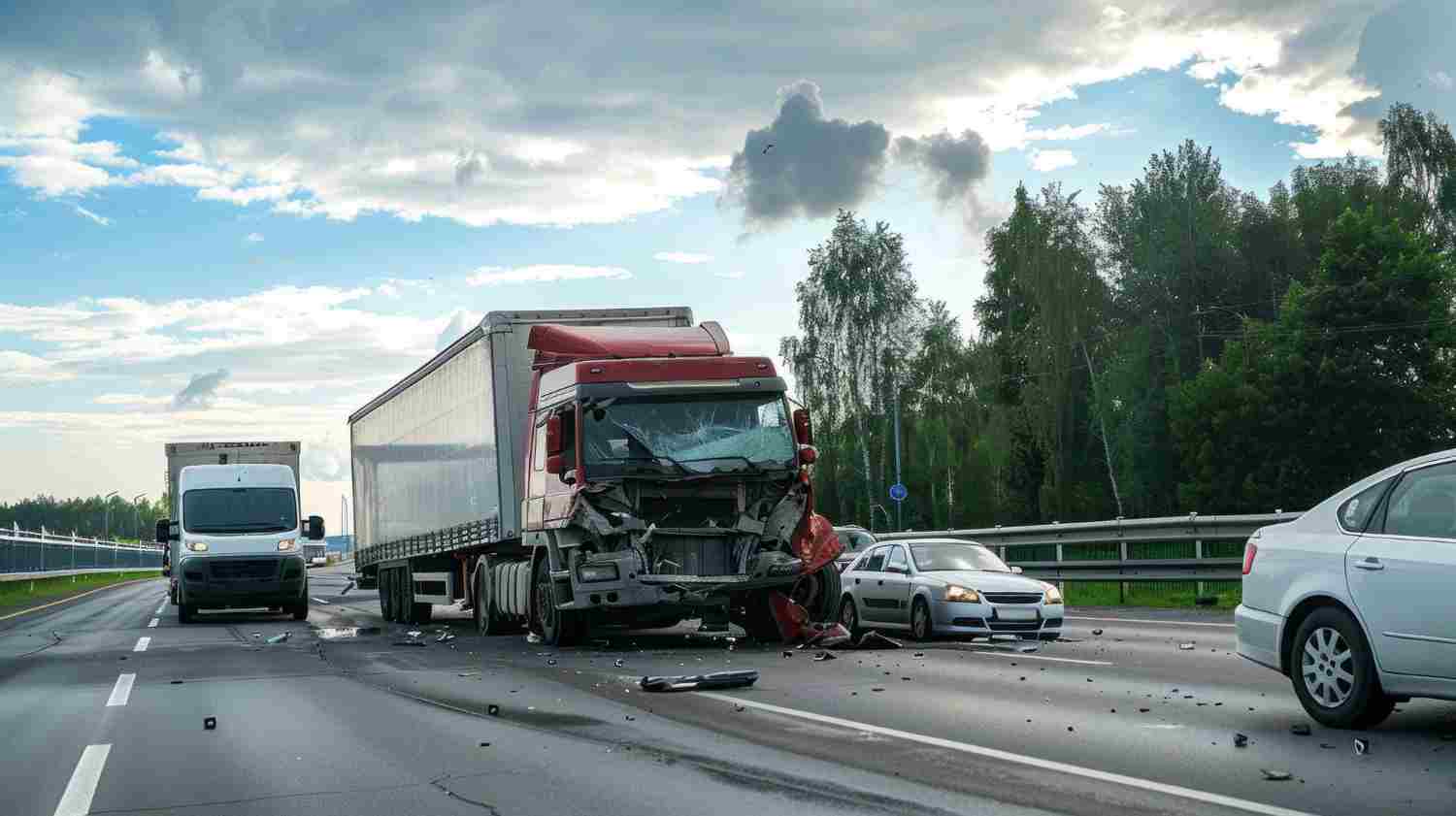
Author: Phillips Law Offices Legal Team

  • How Long You Have to File a Truck Accident Lawsuit in Illinois

    Miss a legal deadline in a truck accident case, and you don’t lose part of your claim. You lose all of it.

    That’s true no matter how serious your injuries are or how obvious it is that the truck driver caused the crash. Illinois law sets firm time limits, called statutes of limitations, on when a lawsuit has to be filed.

    We’ve watched these deadlines catch people off guard more than once. Some are shorter than you’d expect, and one of them applies to a situation that comes up on Illinois roads more often than most people realize.

    This article provides general legal information about Illinois and federal law; consult a licensed Illinois attorney for advice specific to your situation.

    The Standard Deadline: Two Years for Personal Injury Claims

    Under 735 ILCS 5/13-202, you have two years from the date of the crash to file a personal injury lawsuit in Illinois. For most truck accident cases, this is the deadline that controls everything else.

    The clock almost always starts running the day of the crash, not the day you get a diagnosis, not the day you finally call an attorney. Illinois does recognize a narrow discovery rule for injuries that genuinely couldn’t have been known at the time, a brain injury that only shows symptoms months later, for example, but that exception is fact-specific and courts apply it carefully. Don’t count on it. Treat the crash date as your deadline unless an attorney tells you otherwise.

    Two years sounds generous when you’re still in the middle of treatment or trying to get back on your feet. It isn’t. We’ve seen it slip past people who were still assuming there was plenty of time left. Courts don’t grant grace periods here. File one day late, and the case gets dismissed, no matter how strong it was on the merits.

    Wrongful Death Claims: Also Two Years, but From the Date of Death

    When a truck accident causes a death, the family’s right to file a wrongful death lawsuit is governed by the Illinois Wrongful Death Act, 740 ILCS 180/2, and it also carries a two-year limit. The difference is where the clock starts.

    For wrongful death, that clock starts on the date of death, not the date of the crash.

    Here’s where that distinction actually matters: a victim can survive the crash for weeks or months before dying from their injuries. When that happens, the family’s wrongful death deadline is measured from the day the victim passed, which can land well after the two-year mark from the crash itself. Separately, the estate may also have its own survival action for the pain and suffering the victim experienced before death, and that claim carries deadline considerations of its own worth discussing with an attorney.

    One more wrinkle: if a criminal case grows out of the same crash, say the driver faces charges, the wrongful death deadline can be extended while that prosecution is pending. This doesn’t come up often, but when it does, it matters. Don’t assume the standard two years is your only window without an attorney checking.

    Which Illinois truck accident laws apply to your case comes down to who was operating the truck, what it was carrying, and whether it crossed state lines. Those are details worth having an attorney sort out early, not after the deadline is already close.

    The Most Dangerous Deadline: One Year for Government-Vehicle Crashes

    This is the deadline that trips people up more than any other in Illinois truck accident cases. Under 745 ILCS 10/8-101, the Illinois Local Governmental and Governmental Employees Tort Immunity Act, a lawsuit against a local public entity or its employees has to be filed within one year of the date the claim arose.

    That’s half the time you’d get in an ordinary case. And it applies to a lot more vehicles on Illinois roads than most people assume.

    Think City of Chicago garbage trucks and fleet vehicles. Cook County road maintenance and public works trucks. Chicago Transit Authority (CTA) maintenance trucks. Water department vehicles. Municipal utility trucks run by any Illinois city, village, or township. If one of these local government trucks caused your crash, the one-year deadline is the one that controls, and failing to identify the government connection before the standard two-year period expires can leave a claim permanently barred.

    An Illinois Department of Transportation (IDOT) vehicle is a different animal entirely. IDOT is a state agency, not a local one, so claims against it don’t go through the one-year local-entity deadline at all. They go through the Illinois Court of Claims, a separate court with its own filing process and its own deadline, not the circuit court where an ordinary lawsuit gets filed. If a state highway truck hit you, that’s a fork in the road you need an attorney to spot immediately.

    There’s an extra step in some of these cases too. Certain public entities require formal notice of a claim before a lawsuit can even be filed, and that notice deadline can be shorter than one year. If a government vehicle was involved in your crash, talk to an Illinois attorney immediately, not after you’ve done your own research on the timeline.

    Federal Agency Vehicles: A Separate Two-Year Rule Under Federal Law

    A smaller but important category of truck accidents involves vehicles operated by the federal government: U.S. Postal Service trucks, military vehicles, federal highway contractor vehicles operating under federal authority, and similar vehicles. These claims don’t run through Illinois state law at all. They’re governed by the Federal Tort Claims Act (FTCA), 28 U.S.C. § 2401(b), which sets its own two-year limitations period, and the process looks nothing like a standard Illinois lawsuit.

    Before you can file suit in federal court under the FTCA, you first have to submit an administrative claim to the relevant federal agency using Standard Form 95. The agency then has six months to respond. If it denies the claim, or simply doesn’t respond within those six months, you can then file suit in federal court.

    The two-year limitations period runs from the date of the incident, and the administrative claim has to be filed within that window. Skip the administrative process and go straight to federal court, and the case gets dismissed for a jurisdictional defect, regardless of how solid the underlying claim is.

    What Can Pause or Extend the Deadline?

    Illinois law recognizes a narrow set of situations where the statute of limitations can be tolled, meaning paused temporarily. The ones that come up most in truck accident cases: minority, meaning if you were under 18 at the time of the crash, the limitations period generally doesn’t start running until you turn 18. Legal disability, meaning you were under a legal disability at the time of the crash. And fraudulent concealment, meaning the defendant actively hid facts that kept you from discovering you had a claim.

    Sit with that for a second, because it’s tempting to read a list like this and assume one of these applies to you. Usually, none of them do. Tolling is the exception, not a backup plan. Don’t rely on a tolling argument in place of filing on time.

    Why Acting Early Protects Your Claim Beyond the Deadline

    Filing before the deadline gets you in the door. It doesn’t mean the case is strong once you’re there.

    Evidence in truck accident cases deteriorates fast. Event data recorders, the black boxes in commercial trucks, may be overwritten within 30 days of a crash. Surveillance video from highway cameras and nearby businesses is often deleted within 30 to 90 days. Driver logs, dispatch records, and carrier inspection documents follow retention schedules that vary by company, and some of those schedules are shorter than people expect.

    Wait until the deadline is close to start investigating, and some of the evidence that would have made your case is already gone. That’s why sending a legal hold letter early matters: it preserves the obligation to retain relevant records and signals that litigation is coming.

    Talk to a Chicago Truck Accident Lawyer for a Free Consultation

    The deadlines that apply to your truck accident claim depend on who owned and operated the truck, where the crash occurred, and whether any government entities are involved. Getting the deadline wrong, including missing the one-year government-vehicle window, eliminates your right to recover regardless of how strong your case is on the merits.

    Phillips Law Offices handles truck accident cases throughout the Chicago area and can identify all applicable deadlines in your specific situation. Call (312) 346-4262 or visit our free consultation page to speak with a truck accident attorney as soon as possible after your crash.

    This article has been prepared for general informational purposes and is subject to attorney review. It does not constitute legal advice and does not create an attorney-client relationship.

  • How Much Insurance Do Trucking Companies Have to Carry?

    Car accident claims and truck accident claims look similar on paper. They are not.

    The difference comes down to insurance. Federal law requires commercial trucking companies to carry far more liability coverage than any passenger vehicle driver does.

    We look at this question first in nearly every truck crash case we handle. Knowing the minimums, and how they actually work once a claim is filed, tells you what compensation might realistically be on the table.

    This article covers general legal information about Illinois and federal law. If you are dealing with a specific case, talk to a licensed Illinois attorney about your situation.

    Federal Minimum Insurance Requirements Under 49 CFR 387.9

    The Federal Motor Carrier Safety Administration, the FMCSA, sets the minimum insurance a commercial motor carrier has to carry. The rule lives in 49 CFR Section 387.9, and it traces back to the Motor Carrier Act of 1980.

    The number is not one flat figure. It changes based on what the truck is hauling:

    • $750,000 for general freight carriers, the most common type of commercial truck
    • $1,000,000 for carriers transporting oil by truck
    • $5,000,000 for carriers hauling the highest-hazard materials, explosives, poison-inhalation-hazard cargo, and certain radioactive shipments
    • $300,000 for smaller non-hazardous cargo trucks under 10,001 pounds gross vehicle weight

    Treat these numbers as a floor, not a ceiling. Plenty of large carriers, especially ones hauling high-value freight or working under shipper contracts, carry policies well above the minimum. It is common to see $1,000,000 or more in coverage even for standard general freight.

    Here is the part that matters for your claim: the federal minimum is not a cap. It just guarantees a baseline. If the carrier that hit you carries a bigger policy, that is what is available to you.

    Illinois Intrastate Requirements: 625 ILCS 5/18c

    Not every truck on Illinois roads is governed by federal rules. A truck that never leaves the state, one that runs a route entirely within Illinois, falls under state law instead: the Illinois Commercial Transportation Law, 625 ILCS 5/18c.

    For the most part, Illinois mirrors the federal FMCSA minimums for these intrastate carriers. The Illinois Commerce Commission can also layer on additional requirements for carriers operating under its authority. If the truck is big enough to require a commercial driver’s license and it is running commercial loads inside Illinois, this law applies.

    In practice, most of the freight moving through Chicago crosses state lines. A truck coming in from Indiana or Wisconsin, which describes a large share of the trucks on our interstates, falls under the federal FMCSA rules in 49 CFR Part 387 instead.

    The MCS-90 Endorsement: A Critical Victim Protection Mechanism

    There is a piece of this most people never hear about until they need it: the MCS-90 endorsement.

    Federal law requires every motor carrier covered by 49 CFR Part 387 to attach an MCS-90 endorsement to its primary liability policy. It is not a separate insurance policy. It is a mandatory add-on that changes how the existing policy behaves in one specific, important way.

    Here is what it actually does. The insurer agrees to pay a judgment against the carrier up to the federal minimum, even if something in the carrier’s own policy would normally let the insurer walk away.

    Say the driver was using the truck for a trip the policy did not cover, or the carrier never disclosed the route it was actually running. Normally, that kind of exclusion is exactly what an insurance company uses to deny a claim. The MCS-90 takes that option off the table when a third party, the injured victim, is the one asking to get paid.

    This is not a favor to the carrier. It exists so a crash victim never loses a case simply because the trucking company broke a rule buried in its own policy.

    Understanding liability in truck accidents means accounting for every layer of coverage: the carrier’s primary policy, any MCS-90 obligations sitting on top of it, umbrella or excess policies, and the insurance carried by anyone else who might share the blame, like a freight broker or the company that loaded the cargo.

    Why Truck Accident Claims Are Fundamentally Different from Car Accident Claims

    Start with the baseline. Illinois requires drivers to carry at least $25,000 per person and $50,000 per occurrence in bodily injury liability coverage, under 625 ILCS 5/7-203. A single serious injury can burn through that entire policy in one hospital stay.

    Trucking insurance is not that same coverage scaled up. It is a different category entirely.

    A $750,000 federal minimum is thirty times that car insurance floor. A $5,000,000 hazmat policy is two hundred times it.

    Sit with that gap for a second. It is not a rounding difference. It is the difference between a policy sized for an ER visit and a policy sized for a wrongful death claim.

    That gap exists for a reason. Truck crashes tend to produce the kind of injuries that do not have a ceiling: traumatic brain injuries, spinal cord damage, amputations, wrongful death. The economic losses in cases like these routinely blow past what any car insurance policy was ever built to handle.

    Congress set the higher federal minimums because a fully loaded commercial truck does more damage than a passenger car, full stop. That is also why we tell clients a truck accident claim deserves a real investigation. When the coverage behind a crash can run into the millions, it is worth finding out exactly what is there.

    What Happens When the Carrier Is Underinsured or Uninsured?

    Federal requirements do not guarantee compliance. Smaller or newer carriers sometimes let a policy lapse, and it is not always caught right away.

    When that happens, the MCS-90 endorsement is the first line of defense. It obligates the insurer to pay victims even if the carrier failed to keep continuous coverage in place.

    If there is truly no insurance behind the carrier, the case does not necessarily end there. You may have claims against the freight broker who hired the carrier, the shipper who arranged the load, or the company that owned the cargo. Your own uninsured motorist coverage under Illinois law may also come into play, depending on the facts.

    Talk to a Chicago Truck Accident Lawyer for a Free Consultation

    Identifying all available insurance coverage after a truck crash requires pulling policy declarations, reviewing MCS-90 endorsements, investigating whether the carrier had umbrella or excess coverage, and examining whether any other parties contributed to the crash and carry their own insurance. These are tasks that require access to information carriers and insurers do not volunteer.

    Phillips Law Offices represents truck accident victims throughout the Chicago area. Our attorneys understand the federal insurance requirements that apply to commercial carriers and how to pursue every available source of coverage. Call (312) 346-4262 or visit our free consultation page to discuss your case at no cost.

    This article has been prepared for general informational purposes and is subject to attorney review. It does not constitute legal advice and does not create an attorney-client relationship.

  • Can You Sue the Freight Broker After a Truck Crash?

    Most people assume that when a truck crash happens, the driver or the trucking company is the only one who answers for it.

    That’s rarely the whole story.

    Somewhere behind that truck is often a freight broker, the company that matched a shipper’s cargo with the carrier that hauled it. Brokers don’t own trucks. They don’t hire drivers. But they do pick which carrier gets the job, and that choice matters.

    If the broker in your case picked a carrier it knew, or should have known, was unsafe, we may have a claim against that broker too, separate from any claim against the truck driver or trucking company.

    This article provides general legal information about Illinois and federal law; consult a licensed Illinois attorney for advice specific to your situation.

    What Is a Freight Broker and How Are They Involved in Truck Accidents?

    A freight broker is a licensed middleman. Federal rules under 49 CFR Part 371 govern how brokers operate. Their job is to connect a shipper who needs cargo moved with a carrier willing to move it, then take a fee for making the match.

    The broker doesn’t own the truck. In most cases, the broker doesn’t employ the driver either. What the broker does own is the decision: which carrier gets the load.

    That decision carries weight. A broker who hires a carrier with a bad safety record, suspended operating authority, or no real insurance is putting a dangerous truck on the highway, and everyone driving near it is exposed to that risk.

    Federal rules require brokers to check a carrier’s safety history before dispatching a load. In our experience handling these cases, that check doesn’t always happen the way it should.

    The Legal Barrier That Protected Brokers, Until 2026

    For years, brokers had a reliable way to get these lawsuits thrown out before trial: a federal law called the FAAAA, the Federal Aviation Administration Authorization Act of 1994 (49 U.S.C. § 14501(c)). It blocks states from enforcing laws “related to a price, route, or service” of a broker, and brokers argued that covered negligence claims too.

    Federal courts split on the question. Some said a negligence claim against a broker was preempted and had to be dismissed before the victim ever got a hearing on the merits. Others let the claim go forward. Illinois sits in the Seventh Circuit, and our federal courts here had been siding with the brokers.

    Sit with that for a second. Whether a victim could even get in front of a jury depended less on what the broker actually did and more on which courthouse the case happened to land in.

    The 2026 Supreme Court Ruling: Montgomery v. Caribe Transport II LLC

    The Supreme Court settled the question this year, unanimously, in Montgomery v. Caribe Transport II LLC. The Court held that a state-law negligent selection or negligent entrustment claim against a freight broker is not preempted by the FAAAA.

    Here’s what that means in plain terms: if a broker carelessly picked an unsafe carrier and that carrier caused your crash, you can sue the broker in state court. The broker no longer gets to short-circuit the case with a preemption motion before you’ve had a chance to make your argument.

    A 9-0 vote is worth pausing on. It tells you the Court didn’t see this as a close call, even though brokers had been winning this argument in courts like ours for years.

    The reasoning matters too. The Court treated a broker’s duty to pick a safe carrier as an ordinary safety rule, the same kind of rule that applies to anyone whose decisions put trucks on the road, not some special regulation aimed at how brokers run their business. That’s why it survives the FAAAA.

    And because this is a Supreme Court ruling, it applies everywhere. Illinois plaintiffs now stand on the same ground as plaintiffs in the circuits that had already rejected the broker’s preemption argument.

    What Brokers Are Required to Do and What They Often Skip

    Federal rules under 49 CFR Part 371 require brokers to keep records on the carriers they use, including operating authority and proof of insurance. None of this information is hidden. The FMCSA runs a public database called SAFER (safer.fmcsa.dot.gov), and anyone, broker or otherwise, can look up a carrier’s safety rating, inspection history, crash record, and whether its operating authority is even active.

    So when a broker sends a load to a carrier with a conditional or unsatisfactory safety rating, a stack of hours-of-service violations, or insurance that lapsed months ago, the warning signs were sitting right there in a public database. That’s the gap negligent entrustment law is built to address: not bad luck, but a choice made without bothering to look.

    After Montgomery, a broker can’t wave that away with a preemption motion. It has to answer for the choice in court.

    Who is liable in a truck accident is rarely a one-name answer. Liability can reach the driver, the trucking company, the broker, the shipper, the loader, or a maintenance contractor. Each of them may carry its own separate insurance policy, which is exactly why we look at all of them before deciding who to name in a claim.

    Building a Freight Broker Liability Claim in Illinois

    To win a negligent selection claim against a broker, we generally have to prove four things: the broker owed a duty of care when choosing a carrier, the broker breached that duty by picking an unsafe one without real vetting, the unsafe carrier caused the crash, and the crash caused your injuries and losses.

    None of that gets proven with an argument alone. We build it with the broker’s internal vetting records, the carrier’s FMCSA safety rating at the time of dispatch, the carrier’s crash history pulled from SAFER, and the broker-carrier contract itself.

    Illinois courts ask a simple question: what would a reasonably careful broker have done? A broker that never bothered to check a carrier’s safety record before loading it up with 40 tons of cargo and sending it down the highway is going to have a hard time arguing it acted reasonably.

    Why the Broker’s Identity Matters Quickly After a Crash

    You won’t find the broker’s name painted on the side of the truck. The name on the door belongs to the carrier, and the broker’s involvement usually only shows up in the paperwork behind the scenes: the bill of lading, the carrier’s dispatch records, the load confirmation.

    Here’s where it gets uncomfortable. Dispatch systems are electronic, and electronic records get overwritten or deleted, sometimes as routine business practice and sometimes on purpose. We send a preservation letter fast for exactly this reason.

    Illinois gives you two years to file a personal injury claim under 735 ILCS 5/13-202. That sounds like plenty of time, and for filing the lawsuit, it is. But the records that prove a broker’s negligence don’t wait two years. Brokers aren’t required to keep vetting and dispatch records forever, and a carrier that just caused a crash has every reason to lose the paperwork showing who hired it and why.

    Talk to a Chicago Truck Accident Lawyer for a Free Consultation

    Freight broker liability is still a developing area of law, and it just shifted significantly. The Montgomery ruling opened a courthouse door that had been shut for a lot of victims who had a real grievance against a broker but no way to get their case heard.

    If you or someone in your family was hurt in a truck crash in Illinois, it’s worth finding out whether a broker’s carrier selection played a role. We can look into that for you.

    Phillips Law Offices offers free consultations for truck accident victims in the Chicago area. Call (312) 346-4262 or visit our free consultation page to speak with a truck accident attorney about your situation.

    This article has been prepared for general informational purposes and is subject to attorney review. It does not constitute legal advice and does not create an attorney-client relationship.

  • Factors That Can Affect How Long Your Truck Accident Case Takes to Settle in Chicago

    Factors That Can Affect How Long Your Truck Accident Case Takes to Settle in Chicago

    When you have been involved in a truck accident in Chicago one of the first questions that naturally comes to mind is how long will it take to settle my case It is an important question and a complicated one Truck accident cases often take longer than regular car accident claims because they tend to involve severe injuries complex liability issues and multiple insurance companies While some cases may settle in a few months others can take a year or more to resolve Understanding the factors that affect your case timeline can help you prepare set realistic expectations and make informed decisions along the way

    1 The Severity of Your Injuries

    One of the biggest factors influencing how long a truck accident case takes to settle is the extent of your injuries If your injuries are minor and you recover quickly your medical treatment and therefore your documentation may be complete within a few months But if your injuries are serious requiring surgeries rehabilitation or long term care your case will take longer

    Your attorney will typically wait until you reach Maximum Medical Improvement MMI before starting serious settlement negotiations This ensures that all future medical costs ongoing care needs and long term effects are accurately calculated so you do not settle for less than your case is worth

    Tip Never rush a settlement before you fully understand your recovery timeline Once you accept a settlement you cannot reopen the case for additional compensation later

    2 Determining Liability Who s at Fault

    Truck accidents are rarely simple Unlike regular car crashes there are often multiple parties involved including the truck driver the trucking company the truck owner or leasing company the cargo loader or shipper and the vehicle or parts manufacturer

    Each of these parties may share some degree of fault and each one may have its own insurance policy and legal team Your attorney will need to conduct a thorough investigation to identify all responsible parties This can involve collecting black box data driver logs maintenance records inspection reports and expert testimony The more complex the liability the longer it takes to reach a fair settlement

    3 Availability and Strength of Evidence

    Evidence is everything in a truck accident case Strong evidence helps your attorney prove fault demonstrate damages and negotiate effectively However gathering that evidence takes time especially when trucking companies delay or deny access to critical information

    Common forms of evidence include

    • Electronic logging device ELD and black box data
    • Truck driver logs and employment records
    • Maintenance and inspection reports
    • Dashcam or surveillance footage
    • Police and accident reconstruction reports
    • Eyewitness statements

    The sooner your lawyer begins the investigation the faster evidence can be preserved and used to strengthen your claim

    4 The Insurance Companies Willingness to Negotiate

    Insurance companies play a huge role in how long your case takes Some insurers handle claims in good faith and move quickly to reach a fair settlement Others use delay tactics to frustrate victims into accepting low offers

    These tactics can include repeatedly requesting the same documents arguing over liability minimizing the severity of injuries and offering quick settlements that undervalue the case

    Your attorney negotiation strategy and their reputation for being willing to go to trial can significantly influence how fast or slow the insurer moves

    5 The Complexity of Damages

    Truck accidents often cause life changing injuries that impact your health career and quality of life Because of this calculating fair compensation can be more complicated than in minor car crashes

    Your damages may include

    • Past and future medical expenses
    • Lost wages and loss of earning capacity
    • Pain and suffering
    • Emotional distress
    • Loss of enjoyment of life
    • Property damage

    Each of these must be carefully documented often with help from medical professionals vocational experts and economists This process can take time but it is essential to ensure your settlement covers every aspect of your losses

    6 Whether Your Case Goes to Court

    Most truck accident cases in Chicago settle out of court but sometimes litigation becomes necessary especially when the insurance company refuses to offer fair compensation Filing a lawsuit adds more time to the process Once a case is filed both sides enter discovery where they exchange evidence take depositions and consult with experts Pre trial motions hearings and mediation sessions can stretch the timeline further

    However going to court can also increase the final payout as juries often award more than insurance companies initially offer

    Settlement timeline documents for a truck accident case in Chicago

    7 The Court s Schedule and Location

    If your case proceeds to trial the court s schedule can also affect timing In Cook County and other busy areas of Illinois court dockets can be crowded meaning hearings and trial dates might be months apart Your lawyer will keep you informed of all updates but it is good to know that court timelines are often beyond your control

    8 Your Attorney s Experience and Strategy

    The skill and strategy of your attorney can make a major difference in both the speed and success of your case Experienced Chicago truck accident lawyers understand how to navigate complex investigations manage multiple insurance companies and apply pressure when insurers delay They also know when to push for settlement and when to take your case to court In other words the right attorney not only helps you move your case forward but also ensures you do not settle for less than what you deserve

    9 The Statute of Limitations in Illinois

    Under Illinois law 735 ILCS 5 13 202 you have two years from the date of your truck accident to file a personal injury lawsuit While that may sound like plenty of time it passes quickly when you are recovering from injuries dealing with insurance paperwork and waiting for medical updates The sooner you contact an attorney the sooner they can protect your rights and begin building your case

    The Road to Justice Why Patience and Persistence Matter

    Recovering from a truck accident is not just about medical treatment it is about rebuilding your life The legal process can feel long and frustrating at times but every step serves a purpose to uncover the truth hold the right people accountable and make sure you receive the compensation that truly reflects what you have lost

    No two cases are ever the same Some resolve in a few months others take longer but the timeline is not a measure of success It is a reflection of how carefully your lawyer is fighting to protect your future

    Insurance companies often count on victims wanting to get it over with But rushing toward a settlement can mean walking away with far less than you deserve The time spent building a strong case gathering evidence documenting medical care calculating long term costs is time invested in your recovery and your peace of mind

    If you have been injured in a truck accident in Chicago remember this You do not have to face the system alone With the right attorney by your side you can focus on healing while your legal team handles the details the negotiations the deadlines and the fight for justice Because this is not just a legal case It is your life your recovery and your right to move forward with dignity and security

    Free Consultation No Fees Unless We Win Contact our Chicago truck accident attorneys today to discuss your case We will help you understand your options your rights and the road ahead at no cost and with no pressure
  • Why You Need a Truck Accident Lawyer (vs a Regular Car Accident Lawyer) in Illinois

    Why You Need a Truck Accident Lawyer (vs a Regular Car Accident Lawyer) in Illinois

    When a semi truck crashes into a smaller vehicle the outcome is often devastating. These collisions are not like ordinary car accidents. They involve multiple companies, federal safety regulations, and layers of insurance that most personal injury lawyers never have to touch.

    At first glance you might think an accident is an accident, and any personal injury lawyer can handle it. But truck accidents require a different kind of investigation, a different reading of federal law, and a different strategy for finding every party who owes you compensation. At our firm we have seen what happens when victims trust their case to a lawyer who treats a truck crash like a routine car wreck, and it costs them dearly.

    This article is about what changes in the legal work itself, not the dollar figures. If you want to see how settlement values in truck cases compare to typical car accident payouts, we cover that separately in Truck Accident Settlements vs. Car Accident Settlements: Key Differences. Here we want to show you what a truck-specialized attorney actually does differently, and why hiring the wrong lawyer can cost you evidence, defendants, and compensation you never even knew existed.

    1 Truck Accident Cases Are Far More Complicated Than Car Accidents

    A truck accident case is not just a bigger car crash. It runs on a different set of laws, a different insurance structure, and a different evidentiary standard entirely.

    When two cars collide, the process usually involves two drivers, two insurance companies, and a fairly direct question of fault.

    A commercial truck crash rarely stays that simple. You could be dealing with the truck driver, the trucking company, the owner or leasing company behind the truck, the shipper who loaded the cargo, the manufacturer of a defective part, and the broker who arranged the load in the first place.

    Each of those parties can carry its own share of blame, and each one shows up with its own insurer and its own defense lawyers. That also changes how fault gets divided at the end of a case. Under Illinois law, medical expenses are always recoverable, but your other damages are subject to a 25 percent fault threshold that can shift depending on how many defendants share the blame. A car accident lawyer rarely has to run that math with more than one or two parties. A truck accident lawyer has to run it with five or six, and getting it wrong means leaving money on the table.

    2 Trucking Companies Are Governed by Strict Federal and State Regulations

    Unlike ordinary drivers, truck drivers and their employers answer to the Federal Motor Carrier Safety Regulations. These rules cover driver qualifications, hours of service, vehicle maintenance and inspection, cargo loading standards, weight limits, and drug and alcohol testing.

    A violation of any of these rules can serve as powerful evidence of negligence. A lawyer who only handles car accidents may not know these records exist, let alone how to request them. A truck accident attorney knows exactly where to look, what to ask for, and how to turn a regulatory violation into proof of fault.

    3 What a Truck-Specialized Attorney Actually Investigates

    This is where the gap between a general injury lawyer and a trucking lawyer shows up the most, because most of this work happens in the first days after the crash, long before either side has filed anything in court.

    A truck-specialized attorney sends preservation letters for the truck’s Electronic Logging Device and Event Data Recorder data almost immediately. That data tells you how fast the truck was going, whether the driver braked, and whether the driver was over his hours. It also gets overwritten or deleted on a routine schedule, so waiting even a few weeks can mean it is gone for good.

    The same attorney pulls the driver’s Driver Qualification File. Federal law requires carriers to keep one for every driver, and it includes the CDL, medical certification, road test results, drug and alcohol testing history, and employment background. A general practice lawyer handling a typical car wreck has never requested one of these files, because there is no equivalent in an ordinary auto claim.

    A truck-specialized attorney also pulls the carrier’s compliance history through FMCSA’s public safety records, looking at the carrier’s safety rating and its scores across categories like unsafe driving, hours of service compliance, and vehicle maintenance. A pattern of prior violations can turn a single crash into evidence of a company that knew its drivers or its trucks were a risk and kept them on the road anyway.

    If the driver is an owner-operator rather than a company employee, the attorney reviews the lease agreement between the driver and the carrier. Under 49 CFR 376.12(c)(1), that lease has to give the carrier exclusive possession, control, and use of the truck, and that language can make the carrier legally responsible for the driver’s negligence even when the driver is technically an independent contractor. How strongly that presumption holds up varies by jurisdiction, which is exactly the kind of detail a lawyer without trucking experience is unlikely to catch, let alone argue correctly.

    None of this is optional work. Skip any one of these steps and you can lose a defendant, lose a piece of evidence, or lose the argument that the trucking company should have known better.

    4 The Injuries and Losses Are Usually Catastrophic

    A typical car weighs around 3,000 pounds. A fully loaded semi can weigh up to 80,000 pounds. When the two collide, the results are rarely minor.

    Victims of truck accidents often face spinal cord injuries, traumatic brain injuries, multiple fractures, severe internal injuries, permanent disability, and lasting emotional trauma.

    These injuries do not resolve on their own timeline. A truck accident lawyer works with doctors, economists, and life care planners to project the true cost of a lifetime of care, not just the bills sitting in front of you today.

    5 Trucking Companies and Insurers Play Hardball

    The moment a serious truck accident happens, the trucking company and its insurer are already building their defense. They send their own investigators to the scene, gather their own evidence, and start shaping a narrative that minimizes their responsibility.

    Many victims assume the insurance company will simply do the right thing. These are billion dollar corporations with teams of adjusters and lawyers whose job is to pay you as little as possible, or nothing at all.

    A truck accident lawyer knows these tactics and moves to counter them immediately. We send our own investigators to the scene, issue preservation letters, and demand black box data, logbooks, and maintenance records before they can disappear. That early intervention is often the difference between a denied claim and a fair settlement.

    6 The Evidence Window Closes Fast

    Truck accident cases depend on technical, time-sensitive evidence that a standard car crash claim never involves, including black box data, ELD records, GPS logs, cargo documentation, inspection and maintenance logs, dispatch communications, and hiring files.

    Carriers are only required to keep some of this evidence for a limited window, sometimes as short as six months. Miss that window and the proof that would have made your case disappears with it.

    We walk through the exact preservation steps and deadlines that apply after a truck crash in Preserving Critical Evidence After a Truck Accident: Time-Sensitive Steps. The short version here is simple: a lawyer who does not know these deadlines exist cannot protect you from them.

    Truck accident lawyer reviewing a commercial vehicle claim in Illinois

    7 Commercial Insurance Coverage Comes in Layers

    Commercial trucking insurance does not look like a typical auto policy. Federal law requires carriers to hold at least $750,000 in liability coverage for general freight, with hazmat and other high-risk cargo pushing that minimum up to $1 million or even $5 million.

    That coverage rarely sits in one policy. A single crash can involve the carrier’s primary policy, an excess or umbrella layer above it, the owner-operator’s own policy if the driver leases his truck, and in some cases coverage tied to the broker who arranged the shipment. A general personal injury lawyer used to negotiating with one insurer on a fender bender is not equipped to sort out which policy applies to which party, or to catch a carrier trying to push a claim onto a smaller, thinner layer of coverage.

    Brokers used to be treated as mostly out of reach because of federal trucking preemption law. That changed with Montgomery v. Caribe Transport II, LLC, where the Supreme Court settled in May of 2026 that a broker’s negligent hiring can be pursued in court and is not preempted by federal law. A lawyer who has not kept up with that ruling may assume a broker is off limits when it is not, and that assumption can quietly cost you an entire source of compensation.

    8 Building a Truck Accident Case Requires Deep Resources

    Truck accident claims are among the most resource-intensive cases in personal injury law. They often call for accident reconstruction experts, forensic engineers, trucking industry consultants, and vocational and economic loss experts.

    A seasoned truck accident firm already has these relationships in place. We bring in the right specialists to uncover every detail, prove negligence, and calculate your true losses, and that level of preparation tells the defense we are ready to go to trial if that is what it takes.

    9 Questions That Show Whether a Lawyer Has Real Trucking Experience

    Most people cannot tell the difference between a general injury lawyer and a truck accident lawyer from a first phone call. A few direct questions can close that gap fast.

    Ask whether they have ever pulled a carrier’s FMCSA compliance history before. If the answer is vague, that is a sign they have never done it.

    Ask how quickly they send preservation letters for black box and ELD data after taking a case. The right answer is immediately, not after the police report comes back.

    Ask whether they have reviewed a lease agreement under federal motor carrier lease-control rules, or handled a case involving an owner-operator. That question alone separates lawyers who dabble in trucking cases from lawyers who live in them.

    Ask how many defendants they have named in past truck accident cases, and how they decided who to include. A one-defendant answer usually means a one-defendant strategy.

    For the full list of questions worth bringing to any consultation, see our guide, Questions to Ask a Truck Accident Lawyer at Your Free Consultation.

    The Difference Experience Makes When Everything Is on the Line

    After a serious truck accident, your life does not just pause, it changes. You may be facing months of recovery, medical bills you never expected, and questions about your future that feel impossible to answer. Insurance companies may try to rush you into settling before you even know what your case is worth. You only get one chance to get this right.

    A truck accident lawyer does more than handle your case. We protect your future. We understand the physical, emotional, and financial toll a crash like this leaves behind, and we fight for the compensation you deserve.

    At our firm, our legal team has helped countless Illinois families take back control of their lives after devastating truck crashes. We know how to deal with trucking corporations, their insurers, and their lawyers, and we do not stop until you are treated fairly. This is not just a legal battle. It is about your recovery, your family, and your peace of mind, and you deserve a lawyer who understands that difference and is willing to fight for it.

    Free consultation. No fees unless we win. Contact our Chicago truck accident attorneys today to discuss your case. We will help you understand your options, your rights, and your next steps with no obligation.
  • Seasonal and Weather-Related Trucking Hazards in Illinois: What Drivers & Victims Should Be Aware Of

    Seasonal and Weather-Related Trucking Hazards in Illinois: What Drivers & Victims Should Be Aware Of

    If you’ve ever driven on an Illinois highway in the middle of winter, you know how unpredictable the weather can be. One moment the road is clear, and the next, visibility drops to near zero as snow, sleet, or freezing rain sweeps through. For truck drivers operating 18-wheelers that weigh up to 80,000 pounds, these sudden weather changes can turn an ordinary drive into a deadly situation.

    Every year, truck accidents across Illinois are linked to seasonal and weather-related hazards, from icy roads and high winds to poor visibility and heavy rain. At Phillips Law Offices, we’ve seen firsthand how these conditions, combined with negligence or poor judgment, can devastate lives in an instant. This post breaks down the weather risks truckers face across Illinois, how they contribute to crashes, and what drivers and victims should know about responsibility, prevention, and recovery.

    1. Winter Weather: Ice, Snow, and Black Ice

    Winter is one of the most dangerous times for trucking in Illinois. From late November through March, temperatures routinely drop below freezing, and the mix of Midwest storm systems with Lake Michigan’s lake-effect bands can turn a clear morning commute into a whiteout by afternoon, particularly for carriers running routes through Chicagoland and the collar counties.

    • Icy or snow-packed roads that reduce traction and braking ability.
    • Black ice, which is nearly invisible and causes trucks to lose control without warning.
    • Snow drifts and slush, which can obscure lane markings and hide potholes.
    • Freezing rain, which coats windshields, mirrors, and sensors.

    Black ice is especially dangerous on elevated sections of Chicago-area expressways. Bridges, overpasses, and elevated roadway segments lose heat from both the top and the bottom, so they freeze before the open pavement around them does. A trucker who handled the last five miles of highway just fine can hit an icy bridge deck with no warning at all.

    Truckers are trained to handle winter weather, but not all follow best practices. Under 49 CFR 392.14, a driver facing hazardous conditions like snow, ice, or fog is required to reduce speed, and to stop driving altogether if conditions become unsafe enough to warrant it. Many drivers continue at unsafe speeds or fail to adjust regardless. If a trucking company pressures a driver to stay on schedule during a snowstorm, that pressure does not excuse a crash. Safety comes before delivery deadlines, and a violation of 392.14 is evidence of negligence a jury can weigh against the driver and the carrier.

    2. Heavy Rain and Flooded Roads

    Illinois sees frequent heavy rainfall, especially in spring and summer. Rain might seem less dangerous than snow, but it can be just as deadly for truck drivers. Hydroplaning, when tires lose contact with the road surface, can cause an 18-wheeler to jackknife or roll over in seconds.

    Stopping distance is where wet weather does the most damage. A fully loaded semi already needs far more room to stop than a passenger car, and that gap widens on a wet road because the tires can no longer grip the pavement the way they do when it’s dry. Add in a driver’s reaction time and the distance it takes 80,000 pounds to actually slow down, and a truck following too closely in the rain has no margin left when traffic ahead brakes suddenly. This is exactly why 392.14 requires slower speeds and more following distance once rain starts falling, not just once the crash has already happened.

    Heavy rain also reduces visibility and affects how well a truck’s brakes and tires actually perform. Truck drivers are required to:

    • Use headlights and wipers during rain.
    • Slow down significantly in wet conditions.
    • Avoid sudden lane changes and sharp turns.

    If they fail to do so and cause a crash, the trucking company can be held responsible for unsafe driving practices, and for any policies that pushed the driver to keep moving instead of adjusting.

    3. Fog, Poor Visibility, and Low-Light Conditions

    Fog is one of the most underestimated dangers on Illinois roads, particularly along rural highways and open plains downstate. It can reduce visibility to just a few feet, making it nearly impossible for drivers to see brake lights or lane dividers until they’re right on top of them.

    Truckers should be trained to:

    • Use low-beam headlights and fog lights (never high beams).
    • Maintain a safe following distance.
    • Pull over if visibility becomes too poor.

    Not all do. Some keep driving at unsafe speeds, assuming experience will keep them safe, but overconfidence in fog is one of the most common causes of multi-vehicle pileups on Illinois interstates.

    4. High Winds and Tornado Conditions

    Illinois is no stranger to strong winds and tornado warnings, especially in spring and early summer. High crosswinds can push large trucks out of their lanes or even cause them to tip over, particularly when they’re lightly loaded.

    Empty trailers act like sails in the wind, and when truckers ignore wind advisories or fail to slow down, the results can be catastrophic. Wind-related rollovers are common on open highways such as I-55, I-57, and I-80, where there’s little protection from gusts, as well as on the elevated, exposed stretches of I-294, I-90, and I-94 closer to the city.

    In these cases, both driver judgment and company policy matter. Trucking companies should monitor weather alerts and instruct drivers to pull over when winds exceed safe limits, not leave that call entirely up to a driver trying to hit a delivery window.

    5. Extreme Heat and Road Deterioration

    Winter gets most of the attention, but summer brings its own hazards for Illinois truckers. High temperatures can cause tire blowouts, engine overheating, and even road surface buckling on older stretches of pavement.

    Summer is also Illinois construction season. IDOT crews are out in force from spring through fall, narrowing lanes and shifting traffic patterns on the same highways carrying the heaviest truck volume of the year. A blown tire or a driver who isn’t paying attention in a construction zone doesn’t just risk a single-vehicle crash, it risks a chain-reaction pileup in a lane that’s already been cut down to a fraction of its normal width.

    Overloaded or poorly maintained trucks are especially vulnerable to heat. A blown tire on a semi traveling at highway speed can cause the driver to lose control, leading to crashes that injure multiple people in surrounding vehicles.

    Regular inspections, tire pressure checks, and proper load balancing are all critical during hot-weather months. Skipping them isn’t just negligent, it’s dangerous, and it can turn a routine mechanical failure into grounds for a documented FMCSA violation once an attorney pulls the maintenance records.

    Semi-truck driving on a snowy Illinois highway in winter weather

    6. Seasonal Maintenance and Visibility Issues

    Each season affects visibility differently:

    • Spring: Glare from rain and fog buildup on mirrors.
    • Summer: Sun glare during sunrise and sunset hours.
    • Fall: Early darkness and wet leaves that make roads slippery.
    • Winter: Snow glare and ice-covered mirrors or sensors.

    Truckers are responsible for keeping their vehicles equipped for each season: working wipers, clear lights, functioning defrosters, and tire treads appropriate for the weather. If a trucking company fails to maintain its fleet seasonally, it can be held liable for putting an unsafe vehicle on the road in the first place.

    7. When Weather Isn’t the Only Problem, Human Error Makes It Worse

    Bad weather doesn’t cause accidents on its own, driver decisions do. Many crashes happen because truckers:

    • Drive too fast for conditions
    • Fail to increase following distance
    • Ignore weather advisories
    • Skip rest breaks to stay on schedule
    • Fail to check brakes or tires before departure

    Weather may set the stage, but negligence causes the crash. That’s why having a skilled Illinois truck accident attorney matters. We investigate not just what happened, but why it happened, and whether the driver or carrier had the ability to prevent it and simply didn’t.

    Why “The Roads Were Bad” Isn’t Automatically a Defense

    Trucking companies and their insurers lean hard on bad weather as an explanation after a crash. “The roads were bad” sounds like a reasonable excuse, but under federal law it isn’t one on its own.

    49 CFR 392.14 puts the responsibility on the driver to respond to hazardous conditions, not to simply push through them. If rain, snow, ice, or fog makes the road dangerous, the driver is required to slow down and, if needed, get off the road entirely. A driver who kept going at normal highway speed through a snowstorm wasn’t a victim of the weather. He made a choice not to adjust for it, and that choice is what a court and jury will look at.

    That doesn’t mean weather plays no role in how a case gets evaluated. Illinois follows comparative fault under 735 ILCS 5/2-1116, so if a victim also bears some responsibility for a crash, that can reduce the recovery, and a victim found more than 50% at fault recovers nothing. Weather is part of that conversation on both sides of a crash, which is exactly why it needs to be examined carefully rather than accepted at face value. We’ve broken down how that fault-sharing rule works in more detail on our page about comparative fault in Illinois truck accidents.

    How Weather Evidence Gets Used to Prove Fault

    When a trucking company’s defense boils down to an act of God, meaning the weather was so extreme that no reasonable driver could have avoided the crash, that claim has to hold up against actual records, not just a driver’s account of the day.

    National Weather Service data shows exactly when a storm, fog bank, or ice event started in a given area, and how much warning existed before the driver reached that stretch of road. IDOT road condition reports and maintenance logs show whether a highway had already been salted, plowed, or flagged for hazardous conditions before the crash. Dashcam footage and the truck’s own electronic logging device data can show the speed the driver was traveling at the moment conditions turned dangerous, and whether he slowed down at all.

    Put together, that evidence either supports a genuine act-of-God defense or it dismantles one. If the weather service had issued an advisory an hour before the crash and the driver kept running at highway speed anyway, the storm didn’t cause the wreck. The decision to ignore the warning did.

    When Weather Turns Dangerous, Responsibility Matters Even More

    Illinois weather is unpredictable, but that doesn’t mean truck accidents are unavoidable. Professional drivers and trucking companies have a legal and moral duty to prepare for seasonal hazards and adjust their driving instead of prioritizing profit over safety. When they don’t, innocent people pay the price.

    If you or a loved one has been injured in a weather-related truck accident, you’re not powerless. With the right legal team, you can find out what actually went wrong and hold the responsible parties accountable for it.

    At Phillips Law Offices, we’ve helped victims across Illinois after devastating weather-related crashes, from icy highways to rain-soaked interstates. We understand how weather affects trucking, and we know how to prove when drivers and companies fail to adapt to it.

    Safety isn’t about the weather. It’s about responsibility.


    Free Case Review: If you’ve been involved in a truck accident in Illinois, contact our Chicago truck accident lawyers today. We’ll explain your rights and help you take the next step toward justice, no upfront fees, no obligations.
  • Who Can You Sue After a Truck Crash in Chicago?

    Who Can You Sue After a Truck Crash in Chicago?

    When a truck collides with a car, the aftermath can be devastating, physically, emotionally, and financially. Medical bills start piling up, work becomes impossible, and life suddenly feels like it’s standing still. If you’ve been injured in a truck crash in Chicago, one of the first questions you probably have is: “Who can I actually sue?”It’s a fair question, and an important one. Truck accidents are rarely simple, they often involve multiple responsible parties. Figuring out who’s truly at fault takes experience, investigation, and a deep understanding of both Illinois law and federal trucking regulations.

    1. The Truck Driver

    In many cases, the most obvious responsible party is the truck driver. If the driver’s actions, such as speeding, distracted driving, or driving under the influence, caused the crash, they can be held directly liable.

    • Driving while fatigued or violating federal hours-of-service rules
    • Speeding or driving too fast for weather conditions
    • Failing to check blind spots before changing lanes
    • Distracted driving (texting, eating, or using GPS unsafely)
    • Driving under the influence of alcohol, drugs, or prescription medication

    Truck drivers have a duty of care to operate their vehicles safely. When they violate that duty, they can and should be held accountable, but in most cases, they’re not the only ones to blame.

    2. The Trucking Company (Employer)

    Even if a driver made a mistake, the trucking company they work for is often equally or even more responsible. Under the legal principle of respondeat superior, an employer can be held liable for its employee’s actions if the crash happened while the driver was performing work duties.

    Trucking companies can also be directly negligent if they:

    • Hire unqualified or unlicensed drivers
    • Fail to train drivers properly
    • Pressure drivers to meet unrealistic delivery deadlines
    • Encourage drivers to skip rest breaks or falsify logbooks
    • Neglect truck maintenance and safety inspections
    • Ignore known safety violations

    Many companies cut corners to save time or money, and when they do, innocent people pay the price.

    3. The Truck’s Owner or Leasing Company

    Not every trucking company owns the trucks it uses. Sometimes, a truck or trailer is leased from another company or individual. In that case, the truck’s owner may share responsibility for the crash, especially if they failed to properly maintain the vehicle.

    • Worn-out tires or brakes
    • Faulty lighting or reflective tape
    • Defective coupling devices between the truck and trailer

    Owners have a duty to keep their trucks in safe working condition. If they don’t, they can be sued for negligence.

    4. The Cargo Loading or Shipping Company

    Improperly loaded or secured cargo is a common cause of truck accidents. When cargo shifts suddenly, it can cause a truck to jackknife, roll over, or lose control.

    The company responsible for loading the trailer must follow strict federal guidelines about:

    • Weight distribution
    • Securing straps and locks
    • Balancing loads between axles
    • Preventing overloading

    If they fail to do so and a crash occurs, they can be held liable for their negligence.

    5. The Truck or Parts Manufacturer

    Some crashes happen not because of driver error, but because of a mechanical failure. When a truck’s brakes, tires, steering system, or other components fail due to a defective part, the manufacturer of that part may be legally responsible.

    This is known as product liability and applies when a product is unsafe due to a design flaw, manufacturing defect, or lack of warning.

    • Tire blowouts caused by manufacturing defects
    • Faulty brake systems
    • Steering or coupling failures
    • Electrical or sensor malfunctions

    6. The Maintenance or Repair Contractor

    Truck maintenance is critical and often outsourced. If a mechanic or maintenance company fails to repair a known issue, uses faulty parts, or skips safety checks, they can be held liable when a crash occurs.

    • Neglecting brake inspections
    • Using worn or incorrect tires
    • Ignoring oil or fluid leaks
    • Failing to detect steering issues

    7. The Freight Broker or Logistics Company

    A freight broker connects shipping companies with trucking carriers. If they hire an unsafe or unqualified carrier, they may share legal responsibility for any resulting accident.

    Brokers must verify that carriers meet safety standards and have valid operating authority. When they don’t, victims can pursue legal action against them.

    8. Government Entities or Road Maintenance Agencies

    Sometimes, the cause of a truck crash isn’t a person or company, it’s the road itself. If poor road design, inadequate signage, or neglected maintenance caused your accident, a government entity or contractor may be responsible.

    • Potholes or uneven pavement
    • Missing guardrails
    • Poor drainage or flooding
    • Obstructed road signs or signals
    • Truck driver and other parties who can be sued after a Chicago truck crash

    How an Experienced Truck Accident Lawyer Finds Every Liable Party

    Truck accidents are complex because liability is rarely clear-cut. Experienced attorneys investigate thoroughly by:

    • Reviewing driver logs, GPS data, and black box information
    • Inspecting truck maintenance and inspection records
    • Interviewing witnesses and accident reconstruction experts
    • Examining communication between drivers and dispatchers
    • Analyzing shipping, leasing, and maintenance contracts

    By uncovering every negligent act and responsible party, your lawyer can pursue the maximum compensation available, not just from one source, but from all liable entities.

    Finding Accountability in the Chaos

    After a truck crash, it’s easy to feel lost. But you’re not powerless, and you don’t have to face this alone. Holding the right people accountable is about more than just money, it’s about justice, safety, and closure.

    At our firm, we’ve helped countless Chicago families rebuild after devastating truck crashes. We know where to look, what questions to ask, and how to hold negligent drivers and corporations accountable. Because when lives are changed forever by a truck accident, accountability is the first step toward healing.

  • How Can Our Chicago Truck Accident Attorneys Help You?

    How Can Our Chicago Truck Accident Attorneys Help You?

    When a large commercial truck collides with a passenger vehicle, the outcome can change your life in an instant. These crashes leave behind more than wrecked metal. They leave shattered routines, painful recoveries, and hard questions about what comes next.

    If you or a loved one has been injured in a truck accident in Chicago, you may feel buried under medical bills, insurance paperwork, and unanswered questions. You might be asking yourself:

    • “Who’s really responsible for this accident?”
    • “How will I afford my treatment?”
    • “Can I trust the insurance company to do what’s right?”

    That’s where our Chicago truck accident attorneys come in. We know what you’re facing, and we’re here to guide you through it. Our job is simple to state and hard to execute well: protect your rights, find out what actually happened, and help you rebuild after a devastating truck crash.

    Truck cases work differently than ordinary car accident claims, and the reasons matter for how your case gets built. We cover that comparison in detail in Why You Need a Truck Accident Lawyer vs a Regular Car Accident Lawyer in Illinois. This page has a narrower purpose: showing you what working with our firm actually looks like, from your first call through resolution.

    What Working With Our Firm Looks Like, Step by Step

    Every truck accident case moves through the same basic stages. The pace and the details depend on your injuries, the evidence, and how the trucking company’s insurer responds. Here is what to expect at each point.

    Step 1: Your Free Case Evaluation

    Your first conversation with us costs nothing and carries no obligation. We want to hear how the crash happened, what injuries you’re dealing with, and what treatment you’ve had so far.

    We also ask about the practical pressures on your plate: missed paychecks, mounting bills, and any contact you’ve already had with an insurance adjuster. That last point matters more than people expect. Early statements to an adjuster can be used against you later, so we’ll talk through what to say and what to hold back.

    By the end of the consultation, we’ll give you a straight read on whether we can help, what the likely path looks like, and what needs to happen immediately to protect the evidence in your case.

    If you decide to move forward, the paperwork is minimal. A signed representation agreement lets us start working the same day, sending preservation letters and opening our own file before the trucking company’s insurer has finished processing your claim.

    You don’t need to arrive with a stack of documents. If you have the police report, photos from the scene, or any paperwork from the insurance company, bring it along. If you don’t, we’ll track it down ourselves.

    Step 2: We Launch a Thorough Investigation Into What Really Happened

    Truck crashes are rarely simple “accidents.” Most trace back to preventable negligence, and proving that takes time, skill, and access to records the trucking company would rather you never saw.

    One of the first things we do is send a spoliation or evidence preservation letter to the trucking company and its insurer. This matters because much of the evidence in a truck case has a short shelf life. Carriers routinely overwrite Electronic Logging Device (ELD) data and cycle through inspection paperwork on a set schedule, so waiting even a few weeks can mean losing records you need. We cover the time-sensitive side of this in more depth in Preserving Critical Evidence After a Truck Accident: Time-Sensitive Steps.

    Once the evidence is secured, we work with accident reconstructionists, mechanical experts, and trucking safety professionals to dig into:

    • Electronic Logging Device (ELD) and Event Data Recorder (EDR, or “black box”) data, covering speed, braking, and rest breaks in the minutes before the crash
    • Driver logs, to check for hours-of-service violations or fatigue
    • The driver’s Driver Qualification File (DQF), the record every carrier is required to keep on licensing, training, and background screening
    • Maintenance and inspection records, to see if the truck was properly serviced
    • Cargo loading reports, to determine if the load was secure or overweight
    • Company communications and dispatch records, to uncover pressure to meet unsafe delivery deadlines
    • The carrier’s FMCSA compliance history, including its safety rating and any prior out-of-service violations

    Our detailed breakdown of how ELD and EDR data gets used to establish fault is available in Truck Black Box Evidence: How ELD and EDR Data Proves Fault in Chicago Truck Accidents, if you want to see how this plays out in practice.

    The Driver Qualification File deserves its own mention because most people have never heard of it. Federal rules require every motor carrier to maintain one for each driver, covering their license history, medical certification, road test results, and employment background. A thin or incomplete DQF can point to a hiring or supervision failure on the company’s part, separate from anything the driver did behind the wheel that day.

    The FMCSA compliance pull works the same way from a different angle. It tells us whether the carrier had a pattern of violations before your crash, not just what happened in the moment of impact. A single citation might be an outlier. A pattern is evidence.

    Step 3: We Identify Every Liable Party, Not Just the Driver

    Truck accident cases often involve more than one defendant, and each one may carry a separate insurance policy. Naming only the driver leaves compensation on the table.

    • The truck driver, for careless or reckless driving
    • The trucking company, for poor hiring, training, or supervision
    • The truck owner or leasing company, for neglecting maintenance
    • The cargo loader or shipper, for overloading or unsafe cargo placement
    • The vehicle or parts manufacturer, for mechanical defects
    • Third-party maintenance contractors who failed to perform necessary repairs

    Sorting out which parties actually bear responsibility takes real digging. A truck owned by one company, leased to another, and driven by someone technically classified as an independent contractor can involve three or four separate insurance policies before the case is even filed. Naming the right defendants early protects your ability to recover from all of them.

    Step 4: We Calculate the Full Value of Your Losses

    Insurance companies tend to move fast with an early settlement offer. Those offers almost never reflect what your case is actually worth.

    We work with medical specialists, vocational experts, and economists to put a real number on your total damages, including:

    • Current and future medical costs
    • Lost wages and loss of future earning potential
    • Pain, suffering, and emotional distress
    • Physical therapy and rehabilitation expenses
    • Home or vehicle modifications due to disability
    • Loss of enjoyment of life
    • Wrongful death and loss of consortium damages

    We don’t rush this step. Settling before your medical picture is clear risks locking in a number that won’t cover care you still need.

    Step 5: We Build Your Demand and Negotiate From a Position of Strength

    Trucking companies typically have well-funded insurers and experienced defense lawyers on their side. We meet that with a documented demand built on the investigation and the damages work already done, and we push for full access to:

    • Truck maintenance logs
    • Company safety records
    • Driver employment and training history
    • GPS and black box data

    Negotiation is rarely a single conversation. It’s a back and forth where the strength of your documentation, not the size of your ask, determines the outcome.

    Our demand letter lays out liability, ties each element of damages to supporting records, and sets a deadline for response. Adjusters who see a well-documented file tend to negotiate differently than they would against an unrepresented claimant with a stack of medical bills and no legal strategy behind them.

    We’ll walk you through every offer that comes in, explain what it does and doesn’t account for, and give you our honest opinion. The final call on whether to accept a settlement is always yours.

    Step 6: We Prepare for Trial If a Fair Settlement Isn’t on the Table

    Most truck accident claims resolve through negotiation. But we prepare every case as though it’s headed to a jury, because that preparation is what gives us real standing at the negotiating table.

    If the insurer won’t offer a number that reflects your losses, we file suit and litigate. That step can extend the timeline, and we’ll tell you honestly when that risk is on the horizon rather than let you find out later.

    Filing a lawsuit doesn’t mean the case is guaranteed to reach a jury. Many claims settle during litigation, once formal discovery forces the trucking company to turn over records it withheld earlier or once depositions expose weaknesses in its defense. But when a fair resolution never materializes, we’re prepared to try the case.

    What to Expect: Communication and Timeline

    We keep you informed as your case moves, explaining each phase, updating you on developments, and involving you in the decisions that matter, including whether to accept an offer.

    Timelines vary. A straightforward case with clear liability and completed medical treatment can resolve in months. A case involving disputed fault, multiple defendants, or ongoing medical care can take considerably longer. We walk through the specific factors that affect timing in How Long Do Truck Accident Cases Take To Settle in Illinois.

    We won’t promise a date we can’t guarantee. What we will do is tell you where your case stands and why, every time you ask.

    In practice, that means regular check-ins even when nothing dramatic is happening. A case can sit in a quiet investigative or negotiation phase for weeks while records get pulled and reviewed. Quiet doesn’t mean stalled, and we’d rather tell you that directly than leave you guessing.

    You should also expect us to reach out proactively when something changes, not just when you call us. A new medical development, a response from the insurer, or a shift in strategy is worth a phone call, not a line buried in an email you might not see for days.

    We Understand Federal and Illinois Trucking Regulations

    Our attorneys work with federal and state trucking rules on a daily basis, including:

    • Hours-of-Service (HOS) regulations
    • Driver qualification standards
    • Vehicle weight and load limits
    • Maintenance and inspection schedules
    • Drug and alcohol testing requirements
    • Recordkeeping obligations for carriers
    Chicago truck accident attorney meeting with an injured client

    We Work on a Contingency Fee Basis, No Win, No Fee

    You pay nothing upfront, and we only get paid if we win your case. No hourly fees, no retainers, no surprise invoices.

    Standing Beside You Every Mile of the Way

    Recovering from a truck accident isn’t only about physical healing. It’s about financial stability and finding some measure of justice for what you’ve been through.

    Our promise is straightforward. We’ll stand beside you as your advocates and partners in rebuilding what was lost. Every case we handle is personal to us.

    If you or a loved one has been injured in a truck accident in Chicago or anywhere in Illinois, reach out to our team today. Your consultation is free, and you pay nothing unless we win.


    The Truck Accident Claim Process in Illinois: Step-by-Step Legal Timeline

    Who Is Liable in a Truck Accident? Understanding Responsibility Under Illinois Law

    What To Do After a Truck Accident in Chicago: Our Step-by-Step Legal Guide

    What Does a Truck Accident Lawyer Do? Inside Our Legal Process

  • Evidence to Gather After a Truck Accident in Chicago

    Evidence to Gather After a Truck Accident in Chicago

    Truck accidents in Chicago are rarely minor. Between the size of commercial trucks and the busy city streets, these collisions often cause serious injuries, major property damage, and long-term emotional and financial stress.

    If you’ve been involved in a truck accident, there’s a lot happening at once. You’re dealing with pain, paperwork, phone calls from insurance companies, and trying to figure out what happens next. In the middle of all that, the evidence you personally see, photograph, and write down in the first hours and days can matter more than you’d expect.

    This isn’t about the formal legal side. Your attorney handles preservation letters, subpoenas, and the deadline-driven fight to lock down the trucking company’s records before they disappear. If you want the details on that process, we cover it in Preserving Critical Evidence After a Truck Accident: Time-Sensitive Steps.

    What we’re covering here is different. It’s what an ordinary person, you, at the scene or in the days after, can personally do to protect a future claim. No legal training required. Just a clear list of what to notice, what to write down, and what to avoid.

    1. What You Should Try to Capture at the Scene

    If you’re physically able to move around after the crash, your phone is one of the most useful tools you have. Take photos and short videos before vehicles get moved or towed away.

    Try to capture:

    • The position of every vehicle involved
    • Skid marks, debris, and road conditions
    • Traffic signals or signs near the crash
    • Your visible injuries
    • License plates and the damage to each vehicle

    Here’s why this matters. Vehicles get repaired, roads get cleaned, and skid marks fade within days. Once that physical scene is gone, it’s gone. A photo you took on your phone can end up being the clearest record of what the road actually looked like that day, months later when your case is still being negotiated.

    If you can’t safely document the scene yourself, that’s understandable, and it’s not the end of the road. Traffic cameras and nearby business surveillance footage sometimes capture the crash too, but that footage gets overwritten fast. This is one area where getting a lawyer involved quickly makes a real difference, especially on corridors like the Dan Ryan Expressway, I-90, or busy downtown streets.

    Photographing evidence at a truck accident scene in Chicago

    2. Get the Other Driver’s Information Yourself

    Exchange information with the truck driver just like you would in any accident, but don’t stop at the basics. Write down:

    • The driver’s full name and contact details
    • Commercial driver’s license (CDL) number
    • The trucking company’s name
    • Truck registration and insurance details

    The driver isn’t obligated to volunteer all of this, and in the chaos after a crash, it’s easy to walk away with half the picture. Getting it in writing, in your own notes, on your own phone, means you’re not relying entirely on someone else’s paperwork later.

    Always call 911. A responding officer documents the scene, records statements, notes visible injuries, and issues citations when laws were broken. That police report becomes an official record you can request from the Chicago Police Department, and it often lists exactly the driver and witness information you need if you missed anything at the scene.

    3. Write Down What Happened While It’s Still Fresh

    Memory fades faster than people expect, especially after a traumatic event. Within a day or two, take a few minutes to write down everything you remember: the time, the weather, what you were doing right before impact, what the truck was doing, and anything the driver or witnesses said at the scene.

    This isn’t a formal statement and it doesn’t need to be polished. It’s a note to yourself. Six months from now, when an insurance adjuster asks detailed questions about a moment that lasted three seconds, having your own contemporaneous notes to refer back to is far more reliable than trying to reconstruct it from memory.

    4. Collect Names and Numbers From Anyone Who Saw It

    Eyewitnesses can describe things you couldn’t have seen from inside your own vehicle, whether the truck ran a red light, drifted out of its lane, or was moving too fast for conditions.

    If people stop or stick around, ask for their name and phone number. You don’t need to interview them or ask them to write a statement. That’s a step your attorney will handle later, often through a formal recorded statement. Your job in the moment is simpler: don’t let a willing witness walk away without a way to reach them.

    Independent witnesses tend to carry real weight in a claim because they have nothing to gain either way.

    5. See a Doctor, Even If You Feel Fine

    Adrenaline masks pain. It’s common to walk away from a truck accident feeling shaken but not badly hurt, only to wake up the next morning barely able to move.

    Get checked out regardless. This does two things. It gets you the treatment you may need, and it creates a medical record that ties your injuries to the date of the crash. If you wait a week or two to see a doctor, the trucking company’s insurer will seize on that gap and argue your injuries came from something else entirely.

    Follow through on every referral, too. If a doctor recommends physical therapy, imaging, or a specialist visit and you skip it, the insurer can point to that gap as proof the injury wasn’t serious enough to warrant treatment. It doesn’t matter that you skipped it because you couldn’t afford another copay or couldn’t take more time off work. What matters to the adjuster reading the file is the gap itself. Keep every appointment you can, and if cost is the barrier, tell your attorney. There are often ways to bridge that gap so your treatment record stays consistent.

    6. Keep a Personal Injury and Pain Journal

    This is one of the most overlooked pieces of evidence, and one of the easiest for you to control. Medical records show diagnoses and treatment. They don’t show what your daily life actually looks like now.

    A pain journal fills that gap. A few times a week, write down:

    • Your pain level and where you feel it
    • How your injuries affected sleep, work, or basic tasks that day
    • Any activities you had to skip, from picking up your kids to driving yourself to appointments
    • Your mood and any emotional toll, including anxiety about driving or being near trucks

    Keep it dated and honest. Don’t exaggerate and don’t downplay it either. When your attorney negotiates pain and suffering damages, this kind of detail is often what turns a generic injury claim into a specific, believable account of how the crash changed your life.

    Pair the journal with photos. Bruising, swelling, road rash, and surgical scars all change over time, and a single photo from the emergency room doesn’t show that progression. Take a picture every few days during the first month, especially of anything visible. A folder of dated images showing a bruise darken and then fade over three weeks tells a more convincing story than a written description ever could.

    7. Save Every Bill, Receipt, and Piece of Paper

    Truck accident claims add up in ways that are easy to lose track of. Keep a folder, physical or digital, for:

    • Hospital and doctor bills
    • Prescription receipts
    • Mileage or parking costs for medical appointments
    • Pay stubs or a letter from your employer confirming missed work

    None of this needs to be organized perfectly. It just needs to exist. Every receipt you save now is one less argument later about whether an expense was actually related to the accident.

    8. Hold Onto Every Message From the Trucking Company or Its Insurer

    Save every text, email, voicemail, and letter you receive after the crash, including any early settlement offers. Don’t delete anything, even messages that seem unimportant.

    These communications often show a pattern. Insurers sometimes use friendly-sounding calls or quick lowball offers to close a claim before you understand the full extent of your injuries. Your attorney will want to see exactly what was said and when.

    9. What Not to Do While You’re Gathering Evidence

    Protecting your claim isn’t just about what you collect. It’s also about what you avoid.

    • Don’t give a recorded statement to the trucking company’s insurance adjuster. They may call within days, sometimes hours, sounding helpful. Recorded statements are not helpful to you. Speak with an attorney before you agree to one.
    • Don’t post about the accident on social media. A photo of you smiling at a family event, even weeks later, can be twisted into an argument that your injuries aren’t as serious as you claim.
    • Don’t sign anything from the trucking company or its insurer without your attorney reviewing it first, including medical authorization forms that may give them broader access to your records than they’re entitled to.
    • Don’t throw away damaged property. Torn clothing, a cracked phone, a damaged car seat, these are all physical evidence. Keep them until your attorney tells you it’s safe to let them go.

    10. What Your Attorney Handles From Here

    Everything above is what you can reasonably do on your own. It’s not a replacement for a formal investigation, it’s the foundation that makes one possible.

    Once you bring in a truck accident lawyer, the legal side of evidence gathering kicks in. That includes sending formal preservation letters to stop the trucking company from destroying records, something we walk through in detail in Preserving Critical Evidence After a Truck Accident: Time-Sensitive Steps.

    It also includes recovering data from the truck’s electronic logging device and event data recorder, often called the “black box.” That data can show speed, braking, and hours of operation in the moments before the crash, but it’s frequently overwritten within weeks unless an attorney intervenes quickly. We break down exactly how that works in Truck Black Box Evidence: How ELD and EDR Data Proves Fault in Chicago Truck Accidents.

    Speed matters on both sides of this. While you’re writing down what you remember and photographing the scene, the trucking company is often already building its defense. Some carriers send rapid response investigators to the crash site within hours. We explain why in Why the Trucking Company’s Investigators Show Up Before You Leave the Hospital. That’s exactly why having someone on your side just as fast makes such a difference.

    The Bottom Line: You Don’t Have to Do This Alone

    Gathering evidence after a truck accident isn’t about becoming your own investigator. It’s about protecting the small, perishable details, a photo, a witness’s number, a note about how you felt that morning, that no one else is going to capture for you.

    The rest, the subpoenas, the preservation letters, the fight over black box data, is what our legal team at Phillips Law Offices handles once you bring us in. You’ve already been through enough. Let us focus on the fight, so you can focus on healing.

    Related Resources

    What Does a Truck Accident Lawyer Do? Inside Our Legal Process

    What To Do After a Truck Accident in Chicago: Our Step-by-Step Legal Guide

    Who Is Liable in a Truck Accident? Understanding Responsibility Under Illinois Law

    The Truck Accident Claim Process in Illinois: Step-by-Step Legal Timeline