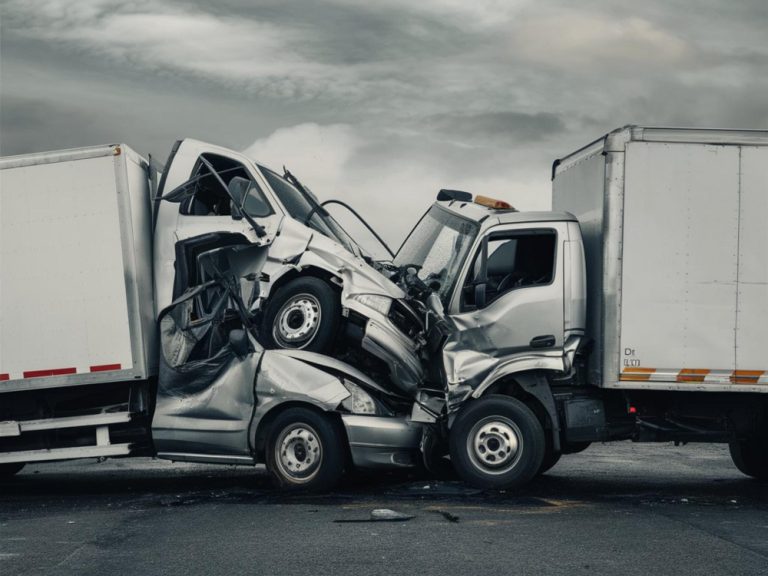

Commercial trucks are involved in 43% of all fatal work zone crashes in Illinois, according to state transportation data. When 80,000-pound semi-trucks enter construction zones with narrowed lanes, reduced speeds, and unpredictable traffic patterns, the results can be deadly.
At Phillips Law Offices, we understand the unique dangers that work zones present for motorists—and the devastating consequences when truck drivers fail to adjust their driving for these hazardous areas.
The Deadly Reality of Work Zone Truck Crashes
Illinois sees hundreds of work zone crashes involving commercial trucks each year. The Illinois Department of Transportation (IDOT) reports troubling statistics:
- Work zone crashes have increased significantly in recent years
- Trucks are disproportionately involved in fatal work zone accidents
- Most work zone fatalities are motorists, not construction workers
- Rear-end collisions are the most common type of work zone truck crash
- Summer construction season sees the highest concentration of incidents
The disparity in size between commercial trucks and passenger vehicles means that work zone collisions frequently result in catastrophic injuries or death for car occupants.
Why Work Zones Are So Dangerous for Trucks
Several factors make construction zones particularly hazardous when commercial trucks are involved:
Reduced Stopping Distance
A fully loaded semi-truck traveling at 65 mph needs approximately 525 feet to stop—the length of almost two football fields. In work zones where traffic may stop suddenly, trucks often cannot brake in time.
Narrow Lanes
Work zones frequently feature lanes narrowed to 10 or 11 feet, while standard semi-trucks are 8.5 feet wide. This leaves minimal margin for error, and trucks can easily clip barriers, other vehicles, or workers.
Lane Shifts and Crossovers
When traffic is diverted across medians or into contraflow patterns, trucks must navigate unfamiliar configurations. Sharp curves and sudden transitions that cars handle easily can cause trucks to lose control.
Speed Differential
When work zones reduce speed limits from 70 to 45 mph, many truck drivers fail to slow adequately. The speed differential between a truck maintaining highway speeds and stopped traffic creates extremely dangerous conditions.
Driver Distraction
Work zones with construction equipment, workers, and changing conditions demand full attention. Distracted truck drivers looking at phones, GPS devices, or dispatch equipment may not notice slowing traffic until it’s too late.
Illinois Work Zone Laws and Penalties
Illinois has enacted strict laws to protect workers and motorists in construction zones:
Scott’s Law and Work Zone Safety
Under 625 ILCS 5/11-907 (Scott’s Law), drivers must slow down and change lanes when approaching emergency and construction vehicles with flashing lights. Violations involving injuries can result in felony charges.
Work Zone Speed Limits
Speeding fines are doubled in Illinois work zones when workers are present. For commercial drivers, work zone speeding violations can result in:
- Fines of $375 minimum for first offense
- CDL suspension for repeated violations
- Criminal charges if speeding causes injury or death
Reckless Homicide
Truck drivers who cause fatal work zone crashes may face reckless homicide charges under 720 ILCS 5/9-3, particularly when evidence shows they were distracted, fatigued, or driving recklessly.
Common Types of Work Zone Truck Accidents
Our investigation of work zone truck crashes reveals common accident patterns:
Rear-End Collisions
The most deadly type—a truck plowing into stopped or slow traffic at the end of a work zone backup. These crashes often involve multiple vehicles as the truck pushes cars into each other.
Sideswipe Accidents
Narrow lanes and concrete barriers leave no room for error. When trucks drift even slightly, they can sideswipe vehicles in adjacent lanes or strike barriers, causing loss of control.
Rollover Crashes
Sharp curves and lane shifts designed for passenger cars can cause top-heavy trucks to roll over, particularly when drivers are traveling too fast for conditions.
Underride Accidents
When cars are pushed under truck trailers during work zone crashes, the results are often fatal. Stop-and-go traffic patterns increase the risk of these catastrophic collisions.
Liability in Work Zone Truck Accidents
Multiple parties may share responsibility for work zone truck crashes:
The Truck Driver
Drivers who fail to slow down, maintain attention, or adjust for work zone conditions are directly liable for crashes they cause.
The Trucking Company
Carriers that pressure drivers to maintain schedules despite work zone delays, or fail to train drivers on work zone safety, may be held liable for resulting accidents.
Construction Contractors
Companies responsible for work zone setup may be liable if inadequate signage, improper lane configurations, or insufficient warning contributed to the crash.
Government Entities
IDOT or local agencies may share liability if work zone designs were defective or failed to meet federal safety standards.
Proving Work Zone Truck Accident Claims
Building a successful work zone truck accident case requires specific evidence:
- Electronic logging device (ELD) data – Shows driver hours and potential fatigue
- Speed data from the truck’s black box – Proves whether the truck was speeding
- Dashcam or traffic camera footage – Documents the crash sequence
- Work zone traffic control plans – Shows whether proper warnings were in place
- Driver cell phone records – May prove distraction at the time of crash
- Police crash reports – Documents citations issued and preliminary findings
- Expert accident reconstruction – Analyzes speed, reaction time, and stopping distance
Damages in Work Zone Truck Accident Cases
Victims of work zone truck crashes may recover substantial compensation:
- Medical expenses including emergency care, surgeries, and rehabilitation
- Lost wages and future earning capacity
- Pain and suffering
- Permanent disability and disfigurement
- Wrongful death damages for surviving family members
- Punitive damages – When truck drivers showed conscious disregard for work zone safety
Evidence of speeding through work zones, distracted driving, or falsified driving logs can support punitive damage claims.
Contact Phillips Law Offices After a Work Zone Truck Accident
Work zone truck accidents are among the most devastating crashes on Illinois roads. If you or a loved one was injured in a construction zone truck crash, you need attorneys who understand trucking regulations and know how to hold negligent drivers and companies accountable.
Contact Phillips Law Offices today for a free consultation. Time is critical in these cases—evidence must be preserved quickly, and Illinois work zone laws provide specific protections for accident victims. Let us fight for the compensation you deserve.