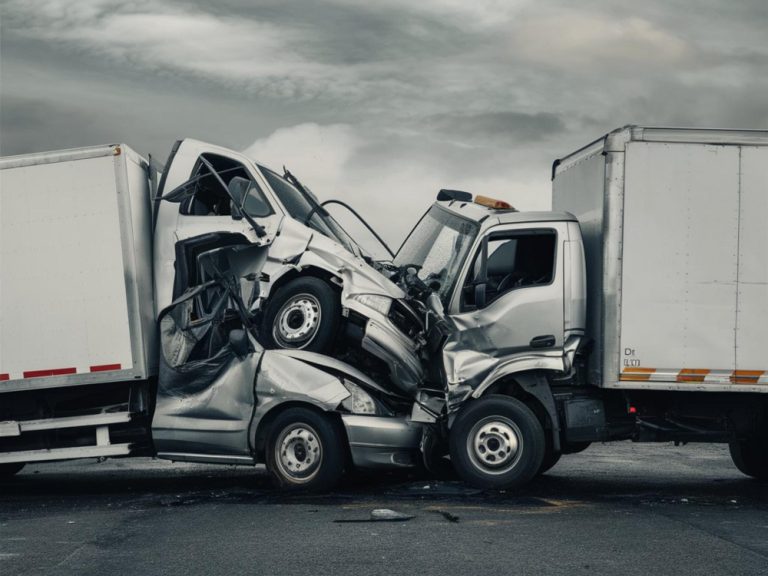

A jackknifing semi-truck is one of the most terrifying sights on Chicago’s highways. When an 80,000-pound tractor-trailer folds in on itself like a closing pocket knife, it can sweep across multiple lanes, crushing vehicles in its path. Understanding what causes jackknife accidents—and who’s liable—is critical for victims seeking compensation.
What Is a Jackknife Accident?
A jackknife occurs when the trailer of a semi-truck swings outward, forming a 90-degree angle (or more) with the tractor cab. The truck loses directional control, often sweeping across multiple lanes of traffic. The name comes from the resemblance to a folding pocket knife.
Jackknifes are particularly dangerous because:
- The trailer can block multiple lanes of traffic
- Vehicles behind may not have time to stop
- The truck may roll over during the jackknife
- Multiple vehicles are often involved
Common Causes of Jackknife Accidents
Improper Braking
The most common cause. When a driver brakes too hard or too suddenly, the drive wheels can lock while the trailer continues forward, pushing the cab and causing the trailer to swing around. This is especially dangerous on:
- Wet or icy roads
- Downhill grades
- Curves
Speeding
Excessive speed reduces the margin for error. A truck traveling too fast may need to brake suddenly, triggering a jackknife. Speed also makes recovery more difficult once a jackknife begins.
Improper Loading
An empty or lightly loaded trailer is more prone to jackknifing because there’s less weight over the rear axles to maintain traction. Improperly distributed cargo can also shift during braking, destabilizing the trailer. FMCSA cargo securement regulations (49 CFR 393 Subpart I) exist to prevent these situations.
Brake System Failures
Poorly maintained brakes—particularly when trailer brakes are out of adjustment relative to tractor brakes—can cause jackknifes. Under 49 CFR Part 396, trucking companies must maintain brake systems to proper standards.
Equipment Defects
Defective anti-lock braking systems (ABS), fifth wheel connections, or trailer coupling mechanisms can contribute to jackknife accidents.
Driver Inexperience
Inexperienced drivers may not know how to prevent or recover from a jackknife. Proper training, required under 49 CFR Part 380, should include jackknife prevention techniques.
Catastrophic Injuries from Jackknife Accidents
Because jackknife accidents often involve multiple vehicles and the full weight of a semi-truck, injuries tend to be severe:
- Traumatic brain injuries from head impacts
- Spinal cord injuries causing paralysis
- Crush injuries when vehicles are trapped under trailers
- Multiple fractures and internal organ damage
- Burn injuries if fuel ignites
- Wrongful death in the most severe cases
Who Is Liable for Jackknife Accidents?
Multiple parties may share liability:
The Truck Driver
For speeding, improper braking, or driving too fast for conditions.
The Trucking Company
Under vicarious liability for driver negligence, plus direct liability for:
- Negligent hiring of unqualified drivers
- Inadequate training
- Failure to maintain vehicles
- Pressuring drivers to meet unrealistic schedules
The Loading Company
If improper loading contributed to the jackknife, the shipper or loading dock may be liable.
Equipment Manufacturers
If defective brakes, ABS systems, or coupling equipment caused or contributed to the accident.
Maintenance Providers
If improper maintenance led to brake failure or other mechanical problems.
Illinois Law and Jackknife Accident Claims
Illinois follows modified comparative negligence (735 ILCS 5/2-1116). You can recover damages if you’re less than 50% at fault. In multi-vehicle jackknife accidents, liability often must be apportioned among multiple parties.
The statute of limitations under 735 ILCS 5/13-202 gives you two years to file a lawsuit.
Critical Evidence in Jackknife Cases
Preserving evidence quickly is essential:
- Electronic data: ELD logs, ECM/EDR data, GPS tracking
- Maintenance records: Brake inspections and repairs
- Driver qualification files: Training records and history
- Cargo documentation: Bills of lading, loading procedures
- Accident reconstruction: Skid marks, gouge marks, final rest positions
An immediate spoliation letter to the trucking company can prevent destruction of this evidence.
Contact a Chicago Truck Accident Attorney
Jackknife accidents involve complex liability issues and catastrophic injuries. Contact our office for a free consultation to discuss your case with an experienced truck accident lawyer who understands FMCSA regulations and how to hold negligent trucking companies accountable.