Types of Tanker Truck Accidents in Illinois
Fuel Tankers
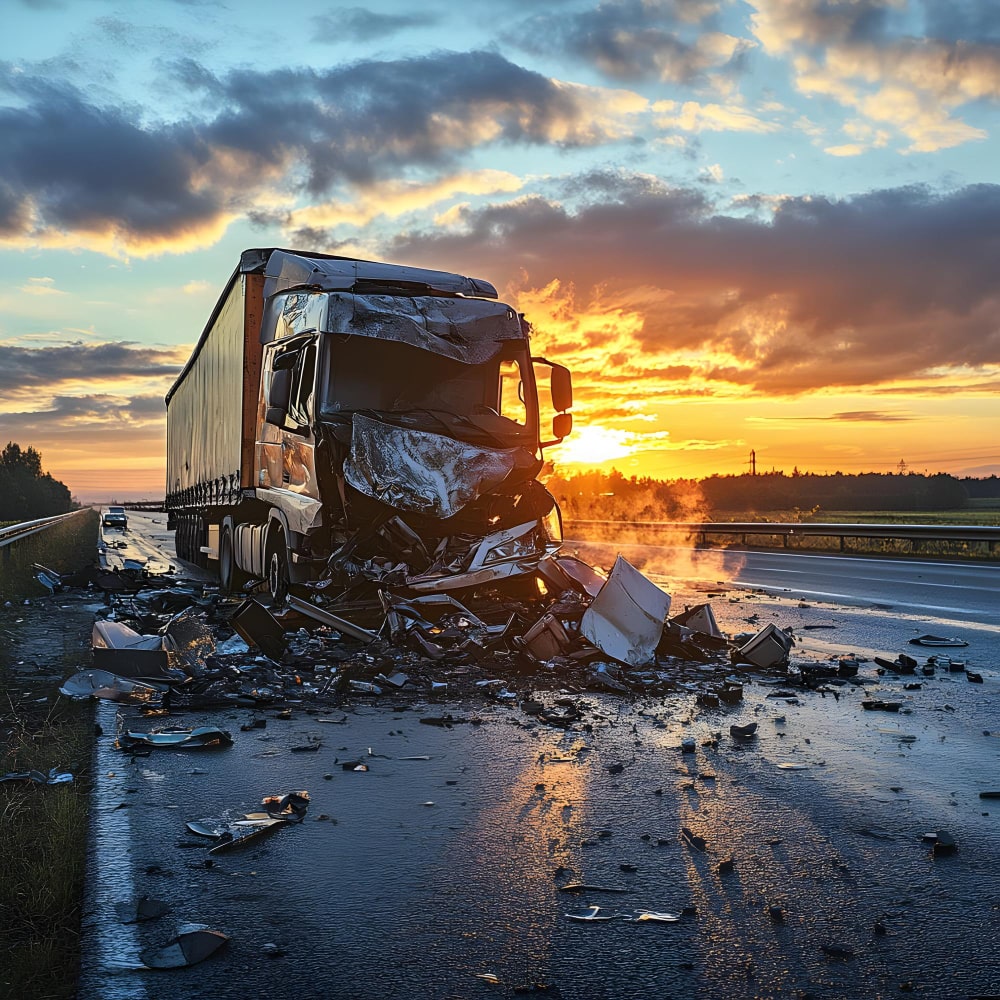
Gasoline and diesel tankers are among the most common hazmat vehicles on Illinois roads. A fully loaded fuel tanker carries up to 9,000 gallons of highly flammable liquid. Accidents involving these vehicles often result in:
- Explosive fires reaching temperatures over 1,500°F
- Third-degree burns and smoke inhalation injuries
- Highway closures lasting hours or days
- Environmental contamination of soil and groundwater
Chemical Tankers
Industrial chemicals transported through Chicago include:
- Corrosives: Sulfuric acid, hydrochloric acid, sodium hydroxide
- Toxic substances: Chlorine, ammonia, pesticides
- Oxidizers: Hydrogen peroxide, ammonium nitrate
- Reactive materials: Substances that can explode when mixed with water or air
Liquefied Gas Carriers
Propane, liquid natural gas (LNG), and other compressed gases pose explosion risks. A BLEVE (Boiling Liquid Expanding Vapor Explosion) from a ruptured propane tanker can create a fireball hundreds of feet in diameter.
Unique Injuries from Hazmat Accidents
Victims of tanker truck and hazmat accidents may suffer injuries distinct from typical truck crashes:
Chemical Exposure Injuries
- Chemical burns: From direct contact with corrosive materials
- Respiratory damage: Inhalation of toxic fumes causing permanent lung damage
- Eye injuries: Chemical exposure can cause blindness
- Systemic poisoning: Absorption through skin or inhalation
Thermal Injuries
- Severe burns: Third and fourth-degree burns requiring skin grafts
- Inhalation injuries: Superheated air damaging airways
- Smoke inhalation: Carbon monoxide and toxic combustion products
Long-Term Health Effects
- Cancer from carcinogenic chemical exposure
- Chronic respiratory conditions
- Neurological damage from toxic exposure
- Immune system disorders
Federal Hazmat Regulations
Hazmat carriers must comply with extensive federal regulations beyond standard FMCSA trucking rules. The Hazardous Materials Transportation Act and implementing regulations at 49 CFR Parts 171-180 establish strict requirements:
Driver Qualifications
- Hazmat endorsement: Requires TSA background check and special testing
- Training requirements: Initial and recurrent training on specific materials
- Security plans: For certain high-risk materials
Vehicle Requirements
- Tank specifications: DOT-rated tanks for specific materials
- Inspection requirements: More frequent and detailed than standard trucks
- Placarding: Proper hazmat placards identifying cargo
- Shipping papers: Detailed documentation of hazardous cargo
Loading and Unloading
Under 49 CFR Part 177, specific procedures govern:
- Proper loading techniques to prevent shifting
- Compatibility of different materials
- Attendance requirements during loading/unloading
- Emergency response equipment requirements
Common Causes of Hazmat Accidents
Tanker Rollovers
Tanker trucks are particularly prone to rollovers due to:
- Liquid surge: Cargo shifting during turns or braking
- High center of gravity: Especially with partially loaded tanks
- Driver inexperience: Failure to adjust for liquid dynamics
Equipment Failures
- Tank valve failures releasing cargo
- Corrosion causing tank ruptures
- Brake failures from improper maintenance
- Hose and fitting failures during transfer
Regulatory Violations
- Improper placarding hiding cargo dangers
- Untrained or unqualified drivers
- Overloading or improper loading
- Falsified inspection records
Multiple Liable Parties
Hazmat accident claims often involve more defendants than typical truck crashes:
Trucking Company
The carrier is responsible for:
- Proper driver training and certification
- Vehicle maintenance and inspections
- Compliance with hazmat regulations
- Route planning avoiding prohibited areas
Shipper
The company shipping the hazmat may be liable for:
- Improper packaging or containment
- Failure to properly classify materials
- Incomplete or inaccurate shipping papers
- Selecting unqualified carriers
Tank Manufacturer
If a tank defect caused or worsened the accident, product liability claims may apply against manufacturers of:
- Tanks and trailers
- Valves, fittings, and safety devices
- Loading and unloading equipment
Maintenance Providers
Third-party repair shops may be liable for:
- Negligent repairs
- Failure to identify dangerous conditions
- Using improper parts or materials
Illinois Law: Enhanced Damages
Under Illinois law, hazmat accidents may support claims for:
Punitive Damages
When companies knowingly violate hazmat regulations, putting profits over safety, Illinois courts may award punitive damages to punish particularly reckless conduct. Under 735 ILCS 5/2-1115, punitive damages require proof of willful and wanton conduct.
Environmental Contamination Claims
Property owners affected by spills may have claims under the Illinois Environmental Protection Act for cleanup costs and diminished property values.
Investigating Hazmat Accidents
These complex cases require specialized investigation:
- NTSB reports: Major hazmat incidents trigger federal investigations
- EPA and OSHA records: Past violations by the carrier or shipper
- Driver qualification files: Training records, endorsement history
- Maintenance records: Tank inspection and repair history
- Shipping documentation: Bills of lading, placarding records
- Expert analysis: Chemical engineers, accident reconstructionists
Statute of Limitations Considerations
Under 735 ILCS 5/13-202, personal injury claims must be filed within 2 years. However, for toxic exposure injuries that develop over time, the discovery rule may extend this deadline from when the injury was discovered or reasonably should have been discovered.
Contact a Chicago Hazmat Accident Attorney
If you or a loved one was injured in a tanker truck or hazmat accident, you need attorneys experienced in these complex cases. Our Chicago truck accident lawyers understand federal hazmat regulations and work with expert investigators to identify all liable parties.
Contact Phillips Law Offices today for a free consultation. We’ll investigate your hazmat accident claim and fight for full compensation for your injuries and losses.
]]>