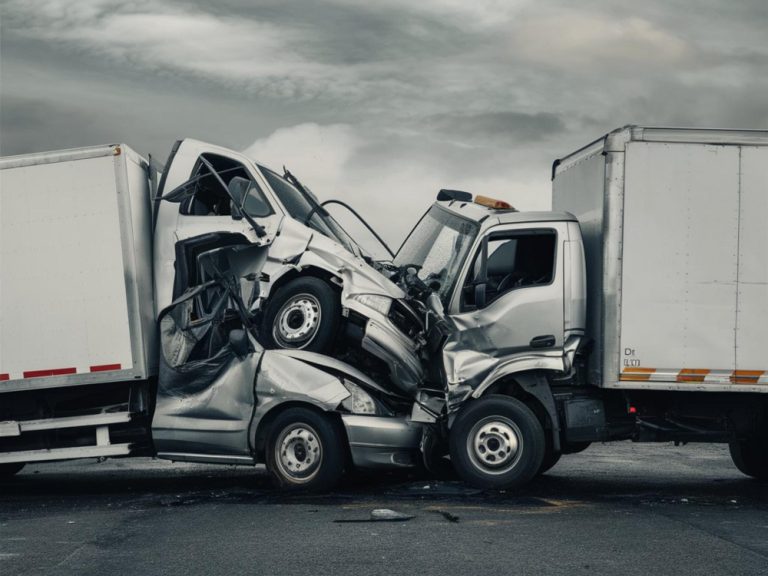
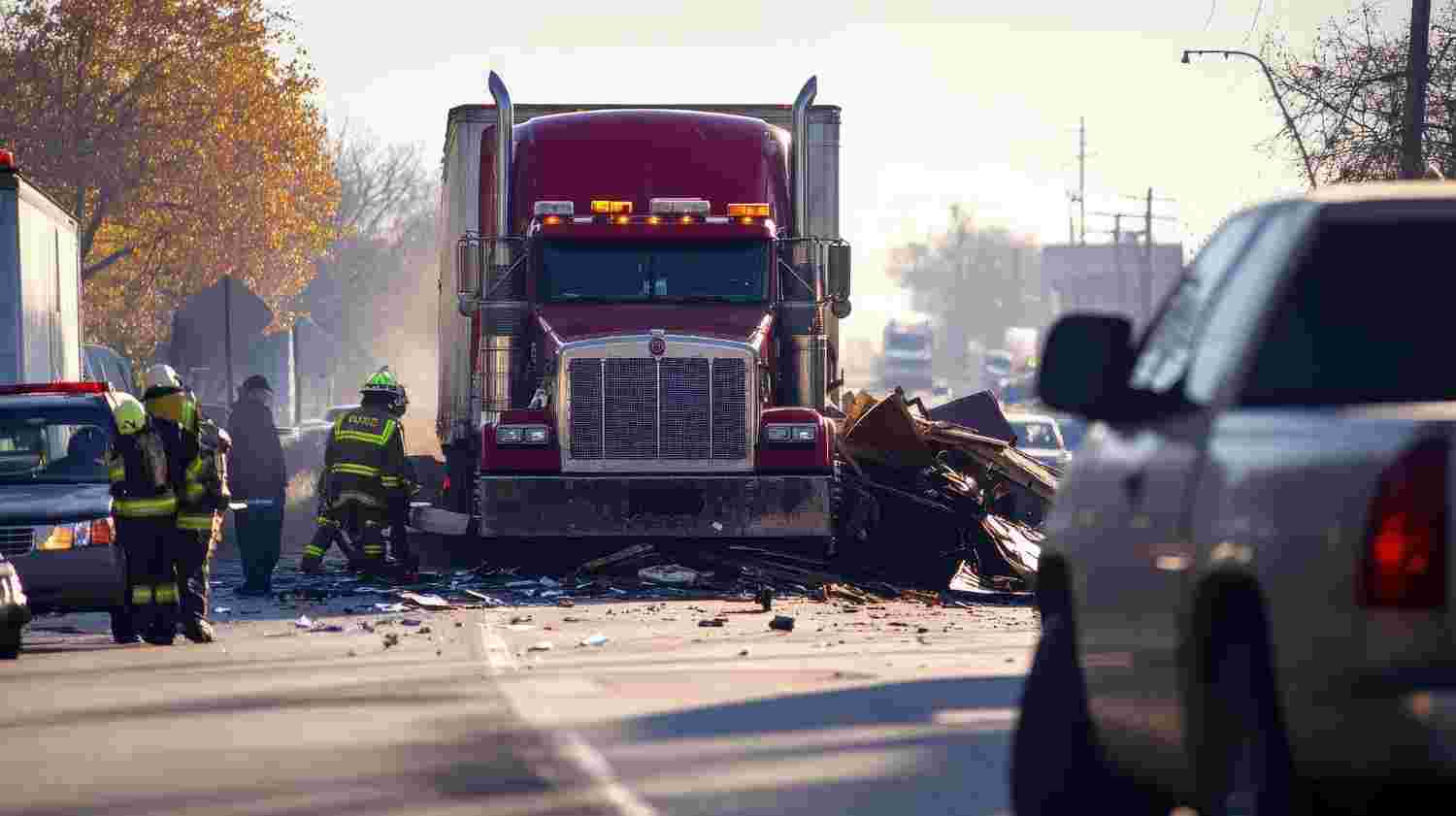
With the explosion of e-commerce, Amazon, FedEx, UPS, and other delivery trucks have become a constant presence on Chicago streets. When these vehicles cause accidents, determining liability becomes complex—and the companies often use their corporate structures to avoid responsibility.
At Phillips Law Offices, we’ve successfully navigated the complicated liability issues in delivery truck accident cases. Understanding who’s responsible is the first step toward obtaining fair compensation.
The Rise of Delivery Truck Accidents
Delivery truck accidents have increased dramatically in recent years due to several factors:
- E-commerce growth has put more delivery vehicles on the road than ever before
- Pressure for same-day and next-day delivery creates rushed, fatigued drivers
- Many delivery drivers are inadequately trained or inexperienced
- Drivers face unrealistic delivery quotas that encourage unsafe driving
- Frequent stops and residential neighborhood driving increase accident exposure
Amazon alone delivers billions of packages annually, with thousands of delivery vehicles operating daily in the Chicago metropolitan area.
Amazon Delivery Service Partner (DSP) Liability
Amazon has structured its delivery operations specifically to limit liability. The company contracts with Delivery Service Partners (DSPs)—independent companies that hire drivers and operate delivery vehicles. When an Amazon-branded van causes an accident, Amazon often claims:
- The driver was employed by the DSP, not Amazon
- Amazon doesn’t control daily operations or driver conduct
- The DSP is solely responsible for any negligence
However, this legal shield isn’t impenetrable. Courts have increasingly found Amazon liable based on:
Actual Control Over Operations
Amazon’s Flex app dictates delivery routes, timing, and performance metrics. Drivers must follow Amazon’s instructions precisely, and DSPs face termination for non-compliance. This level of control can establish an employment relationship despite the contractor label.
Negligent Selection of DSPs
Amazon can be held liable for negligently selecting, retaining, or supervising DSP companies that have histories of safety violations or inadequate driver training programs.
Agency Theory
When delivery drivers wear Amazon uniforms, drive Amazon-branded vehicles, and represent themselves as delivering “for Amazon,” the company may be liable as the principal in an agency relationship.
FedEx Ground Contractor Liability
FedEx Ground similarly uses independent contractors who operate their own delivery routes. FedEx has faced numerous lawsuits challenging this classification, with varying outcomes across jurisdictions.
Key factors courts consider when determining FedEx liability include:
- Vehicle requirements – FedEx dictates vehicle specifications, appearance, and maintenance standards
- Route control – Contractors must service assigned routes according to FedEx schedules
- Uniform requirements – Drivers must wear FedEx uniforms and follow appearance guidelines
- Training programs – FedEx provides mandatory training that contractors must complete
- Termination authority – FedEx can terminate contractors for performance or safety issues
The more control FedEx exercises, the stronger the argument for vicarious liability.
UPS Employee Liability
Unlike Amazon and FedEx Ground, UPS primarily uses direct employees for package delivery. This generally makes UPS directly liable under respondeat superior when their drivers cause accidents while performing job duties.
UPS liability is more straightforward, but the company still vigorously defends claims and has substantial legal resources.
Types of Delivery Truck Accidents
Delivery trucks cause accidents in unique ways due to their operating patterns:
- Backing accidents – Frequent stops require constant reversing in driveways and parking areas
- Door zone collisions – Drivers opening doors into traffic or pedestrians
- Double-parking crashes – Blocking traffic lanes creates hazards for passing vehicles
- Pedestrian strikes – Rushing between stops in residential areas with foot traffic
- Intersection collisions – Running red lights or stop signs to meet delivery quotas
- Distracted driving – Using delivery apps and GPS while operating vehicles
Proving Delivery Company Negligence
Building a strong case against delivery companies requires evidence of:
Unrealistic Delivery Quotas
If company policies require drivers to complete impossible numbers of deliveries, forcing them to speed, skip breaks, or drive unsafely, the company shares liability for resulting accidents.
Inadequate Training
Delivery companies must ensure drivers receive proper training on defensive driving, vehicle operation, and safety protocols. Cutting corners on training to get drivers on the road faster creates liability.
Negligent Hiring
Companies must conduct proper background checks. Hiring drivers with poor driving records, DUI convictions, or history of accidents demonstrates negligence in the hiring process.
Hours and Fatigue Issues
While smaller delivery vehicles may not fall under federal Hours of Service rules that apply to large trucks, companies can still be liable for requiring excessive work hours that result in fatigued driving.
Insurance Coverage in Delivery Truck Accidents
Insurance coverage varies significantly based on the delivery company structure:
- Amazon DSPs – Required to carry minimum liability coverage, but Amazon also maintains umbrella policies
- FedEx contractors – Must carry specified insurance minimums, with FedEx maintaining excess coverage
- UPS – Self-insured with substantial resources to pay claims
- Independent gig drivers – May have only personal auto insurance with commercial exclusions
Identifying all available insurance coverage is essential for maximizing your recovery.
The Independent Contractor Defense
Delivery companies frequently argue that drivers are independent contractors, not employees, to avoid vicarious liability. Overcoming this defense requires demonstrating:
- The company controls how work is performed, not just results
- Drivers must follow company procedures and guidelines
- The company provides equipment, uniforms, or supplies
- Drivers cannot work for competitors or set their own schedules
- The company can terminate the relationship at will
Illinois courts examine the totality of the relationship, not just contract labels, when determining worker classification for liability purposes.
Damages in Delivery Truck Accident Cases
Victims of delivery truck accidents may recover compensation for:
- Medical expenses and ongoing treatment costs
- Lost wages and reduced earning capacity
- Pain and suffering
- Property damage
- Permanent injuries or disabilities
- Wrongful death damages
When evidence shows the company prioritized profits over safety, punitive damages may be available to punish particularly egregious conduct.
Contact Phillips Law Offices After a Delivery Truck Accident
Delivery truck accident cases require attorneys who understand complex corporate structures and know how to pierce liability shields. At Phillips Law Offices, we have the resources and experience to take on Amazon, FedEx, and other major delivery companies.
Contact us for a free consultation. We’ll investigate your accident, identify all liable parties, and fight to hold the responsible companies accountable. Don’t let corporate legal tactics deny you the compensation you deserve.