Author: Phillips Law Offices Legal Team

  • Role of Commercial Truck Accident Lawyer

    Role of Commercial Truck Accident Lawyer

    From investigating the accident scene to negotiating settlements or litigating in court, their role is crucial in ensuring clients receive fair compensation for damages, including medical expenses, lost wages, and pain and suffering. Commercial truck accident lawyers strive to protect the rights of their clients and hold responsible parties accountable for negligence or misconduct, offering comprehensive legal support throughout the often-challenging aftermath of these serious accidents.

    What Is A Commercial Truck Accident?

    A commercial truck accident is a collision involving a large vehicle for transporting goods or passengers for commercial purposes. These trucks include tractor-trailers, semi-trucks, delivery trucks, and other vehicles exceeding a certain weight and size threshold.

    Causes Of Commercial Truck Accident
    Commercial truck accident lawyer consulting with an injured client
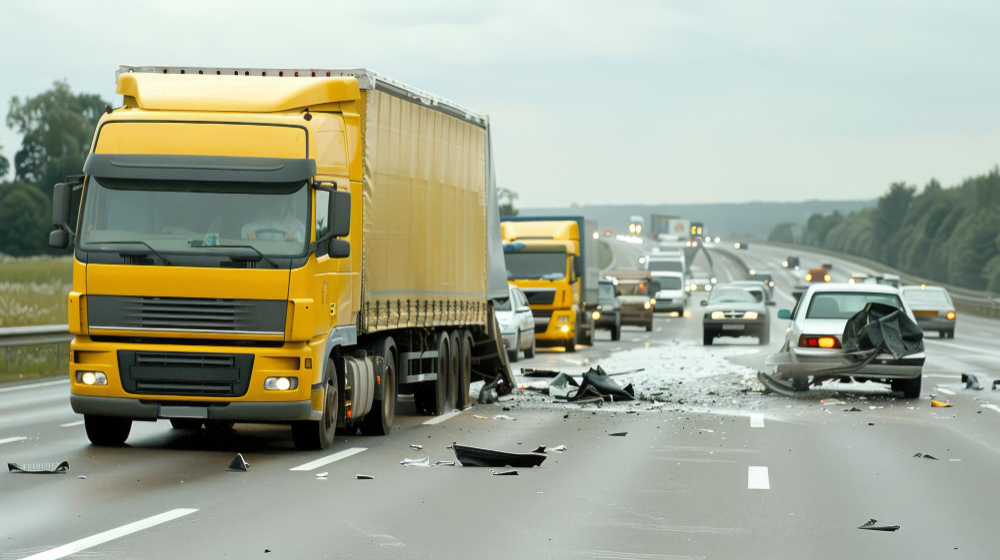
    A very severe accident happens due to the high speed of the truck.

    Commercial truck accidents can occur due to a variety of factors, including:

    • Driver Fatigue: Truck drivers often work long hours and may exceed legal limits for driving time, leading to fatigue, decreased alertness, and slower reaction times.
    • Speeding and Aggressive Driving: Pressure to meet delivery deadlines may cause drivers to speed or engage in aggressive driving behaviors, increasing the risk of accidents.
    • Distracted Driving: Activities like using mobile phones, eating, or adjusting GPS devices can distract truck drivers from focusing on the road and other vehicles.
    • Improper Loading or Cargo Securement: Incorrectly loaded or unsecured cargo can shift during transit, causing the truck to become unstable or difficult to control.
    • Mechanical Failures: Issues with brakes, tires, steering mechanisms, or other mechanical components can lead to loss of vehicle control and accidents.
    • Poor Weather Conditions: Adverse weather such as rain, snow, ice, or fog can reduce visibility and traction, increasing the likelihood of accidents.
    • Inexperienced or Inadequately Trained Drivers: Lack of experience or insufficient training in handling large commercial vehicles can contribute to accidents, especially in challenging driving conditions.
    • Drug or Alcohol Use: Substance abuse by truck drivers can impair judgment, coordination, and reaction times, posing serious risks on the road.
    • Failure to Follow Safety Regulations: Non-compliance with federal and state regulations governing hours of service, vehicle maintenance, weight limits, and other safety standards can lead to accidents.
    • Roadway Conditions: Poorly maintained roads, construction zones, and inadequate signage or lighting can create hazardous conditions for truck drivers and increase the likelihood of accidents.

    Complications In A Commercial Truck Accident

    Commercial truck accidents can lead to various complications, both for the victims involved and in terms of legal and logistical challenges.

    Here are some key complications that can arise:

    • Severe Injuries and Fatalities: Due to the size and weight of commercial trucks, accidents often result in serious injuries or fatalities for drivers and passengers of smaller vehicles involved.
    • Complex Liability Issues: Determining liability in commercial truck accidents can be intricate. It may involve multiple parties, including the truck driver, trucking company, cargo loaders, maintenance providers, and manufacturers of truck parts.
    • Regulatory Compliance: Commercial trucks are subject to numerous federal and state regulations governing driver qualifications, hours of service, vehicle maintenance, and cargo securement. Non-compliance with these regulations can complicate legal proceedings.
    • Insurance Coverage: Insurance policies in commercial truck accidents can be complex, involving different types of coverage. Coordination among various insurers may be necessary to cover damages adequately.
    • Evidence Collection: Gathering evidence in commercial truck accidents is crucial but challenging. It may involve obtaining data from onboard electronic logging devices, vehicle black boxes, witness statements, and accident reconstruction reports.
    • Long-Term Consequences: Victims of commercial truck accidents may face long-term consequences such as chronic pain, disabilities, psychological trauma, and financial hardship due to medical bills, lost wages, and ongoing rehabilitation.
    • Legal Proceedings: Lawsuits stemming from commercial truck accidents can be lengthy and complex. They may involve negotiations with insurance companies, depositions, expert testimony, and potentially a trial if a settlement cannot be reached.
    • Public Safety Concerns: Commercial truck accidents can impact public safety, especially if they occur in densely populated areas or on major transportation routes, leading to traffic delays and potential hazards for other motorists.

    Who Is The Truck Accident Lawyer?


    A truck accident lawyer is a legal professional who specializes in representing clients involved in accidents with commercial trucks, such as tractor-trailers, semi-trucks, and delivery vehicles. These lawyers have expertise in the specific laws and regulations governing commercial trucking, including federal and state safety standards, hours of service regulations, and insurance requirements. They handle cases involving serious injuries, fatalities, property damage, and complex liability issues.

    Truck accident lawyers investigate the accident thoroughly, gather evidence, negotiate with insurance companies, and litigate in court if necessary to secure compensation for their client’s medical expenses, lost wages, pain and suffering, and other damages. Their goal is to protect the rights of accident victims and achieve the best possible outcome for their clients amidst the complexities of truck accident litigation.

    What Are The Characteristics Of A Truck Accident Lawyer?

    Semi-truck on a highway representing commercial trucking claims
    Truck accident lawyers investigate the accident thoroughly, gather evidence, negotiate with insurance companies, and litigate in court.

    Effective truck accident lawyers possess several key characteristics that enable them to handle complex cases and advocate effectively for their clients:

    • Specialized Knowledge: They have in-depth knowledge of trucking laws, regulations, and industry standards specific to commercial vehicles.
    • Investigative Skills: They are skilled in conducting thorough investigations, gathering evidence, and analyzing data such as black box recordings and maintenance records.
    • Negotiation Expertise: They excel in negotiating with insurance companies and other parties to achieve fair settlements for their clients without the need for litigation, when possible.
    • Litigation Experience: They are prepared to take cases to trial if necessary, with experience in presenting compelling arguments and cross-examining witnesses.
    • Compassion and Empathy: They demonstrate empathy towards their clients’ situations, understanding the physical, emotional, and financial toll of truck accidents.
    • Communication Skills: They communicate clearly and effectively with clients, explaining legal concepts and providing updates on case developments.
    • Resourcefulness: They are resourceful in leveraging expert witnesses, accident reconstruction specialists, and other professionals to strengthen their cases.
    • Attention to Detail: They pay meticulous attention to detail in documenting injuries, damages, and liability issues to build a strong case.
    • Client Advocacy: They are committed advocates for their clients, fighting for justice and fair compensation in the aftermath of devastating truck accidents.

    Role Of Truck Accident Lawyer

    The role of a truck accident lawyer is multifaceted and crucial in helping clients navigate the aftermath of a commercial truck accident.

    Here are the primary roles they play:

    • Legal Representation: Truck accident lawyers provide legal representation to clients who have been injured or suffered losses due to a truck accident. They advocate for their client’s rights and interests throughout the legal process.
    • Investigation: They conduct thorough investigations into the accident, gathering evidence such as police reports, witness statements, and data from the truck’s black box. This helps determine liability and build a strong case.
    • Determining Liability: Truck accident lawyers identify and assess liability, which can involve the truck driver, trucking company, vehicle manufacturers, maintenance providers, or other parties responsible for the accident.
    • Navigating Complex Regulations: They are knowledgeable about federal and state regulations governing the trucking industry, including safety standards, hours of service rules, and licensing requirements.
    • Negotiation and Settlement: They negotiate with insurance companies and other parties on behalf of their clients to secure fair settlements that cover medical expenses, lost wages, pain and suffering, and other damages.
    • Client Support: They provide guidance, support, and clear communication to clients throughout the legal process. This includes explaining legal options, updating clients on case developments, and addressing their concerns.
    • Ensuring Fair Compensation: Truck accident lawyers work to ensure their clients receive fair compensation for their injuries, financial losses, and other damages resulting from the accident.

    Eligibility To Become A Truck Accident Lawyer

    Educational Requirements

    To become a truck accident lawyer, the first step is to obtain a bachelor’s degree from an accredited university. There is no specific undergraduate major required, coursework in areas such as political science, history, or criminal justice can be beneficial. Aspiring lawyers must attend law school and earn a Juris Doctor (J.D.) degree, a three-year program. Law school provides a comprehensive education in various areas of law, including tort law, which is relevant to personal injury and accident cases.

    Licensing

    After completing law school, graduates must pass the bar exam in the state where they intend to practice. The bar exam is a rigorous test that assesses knowledge of state-specific and general legal principles. Passing this exam grants the individual a license to practice law in that state. Some states require passing the Multistate Professional Responsibility Examination (MPRE), which tests knowledge of professional ethics.

    Specialization and Experience

    Gaining experience in personal injury law, specifically related to truck accidents, is highly advantageous. This can be achieved through internships, clerkships, or entry-level positions at law firms specializing in personal injury or transportation law. Practical experience helps in understanding the nuances of truck accident cases, including dealing with insurance companies, understanding trucking regulations, and handling complex liability issues.

    Continuing Education

    Lawyers must engage in continuing legal education (CLE) to stay updated with changes in laws and regulations pertinent to truck accidents and personal injury law. Many states require a certain number of CLE hours annually to maintain licensure. Specialized courses or certifications in personal injury law can further enhance a lawyer’s expertise and credibility in handling truck accident cases.

    FAQs

    What should I do immediately after a truck accident?

    Ensure your safety and call emergency services. Seek medical attention, even if you don’t feel seriously injured. Document the scene by taking photos and gathering contact information from witnesses.

    How is a truck accident different from a car accident?

    Truck accidents often involve more severe injuries due to the size and weight of commercial trucks. They also involve complex regulations and multiple parties, such as the trucking company, driver, and manufacturers, which can complicate the case.

    Who can be held liable in a truck accident?

    Multiple parties may be liable, including the truck driver, trucking company, cargo loaders, maintenance providers, and truck or parts manufacturers.

    What compensation can I receive after a truck accident?

    Compensation may cover medical expenses, lost wages, pain and suffering, property damage, and, in some cases, punitive damages. The amount depends on the specifics of your case and the extent of your injuries and losses.

    How long do I have to file a claim after a truck accident?

    The statute of limitations for filing a truck accident claim varies by state but is generally between one and three years.

    Seeking For Help. Contact Us Our Commercial Truck Accident Lawyer

    If you or a loved one has been involved in a commercial truck accident, our experienced truck accident lawyers are here to help. We understand the complexities and challenges these cases present and are committed to securing the compensation you deserve. Contact us today for a free consultation, where we will review your case, answer your questions, and discuss your legal options.


    Interested Reads:
    Common Truck Accident Injuries

  • Common Truck Accident Injuries

    Common Truck Accident Injuries

    Truck accidents are among the most catastrophic events on the road, often leading to devastating consequences for those involved. Due to the sheer size and weight of commercial trucks, collisions with smaller vehicles frequently result in severe injuries that can have long-lasting physical, emotional, and financial impacts. Understanding the types of injuries commonly sustained in truck accidents is crucial for prevention and preparedness.

    Types Of Truck Accident Injuries

    In a truck accident, injuries can vary widely depending on the circumstances and severity of the collision. Here’s a breakdown of internal and external injuries associated with truck accidents:

    Injured person receiving medical care after a truck accident
    Truck accidents are very common in high-speed highways.

    Internal Injuries:

    Traumatic Brain Injuries (TBI)

    Traumatic Brain Injuries (TBI) are a significant concern in truck accidents and other serious collisions. These injuries occur when an external force impacts the head, disrupting normal brain function.

    Here are some key points about TBIs:

    Types of TBIs

    • Concussion: A mild form of TBI often characterized by temporary confusion, headache, and dizziness. It may or may not involve loss of consciousness.
    • Contusion: A bruise on the brain’s surface, caused by direct impact to the head.
    • Diffuse Axonal Injury (DAI): Widespread injury to the brain’s nerve fibers, often caused by rapid deceleration or rotational forces in accidents.
    • Penetrating Injury: Occurs when an object penetrates the skull and damages brain tissue.

    Symptoms

    • Physical Symptoms: Headaches, nausea, vomiting, dizziness, blurred vision, sensitivity to light or sound.
    • Cognitive Symptoms: Confusion, memory problems, difficulty concentrating, slowed thinking.
    • Emotional and Behavioral Changes: Irritability, mood swings, anxiety, depression, changes in sleep patterns.

    Spinal Cord Injuries

    Spinal Cord Injuries (SCI) are another serious consequence of truck accidents and can lead to significant physical and functional impairment.

    Here’s an overview of spinal cord injuries:

    Types of Spinal Cord Injuries

    • Complete SCI: Complete loss of sensation and motor function below the level of injury.
    • Incomplete SCI: Partial loss of sensation and motor function, varying in severity depending on the extent of damage to the spinal cord.

    Levels of Injury

    • Cervical (neck) region: Injuries here can affect the arms, hands, trunk, legs, and pelvic organs.
    • Thoracic (upper back) region: Injuries typically affect the chest, abdominal muscles, and legs.
    • Lumbar (lower back) region: Injuries affect the legs, bowel, bladder, and sexual function.
    • Sacral (lowest part of the spine): Injuries impact the hips, thighs, buttocks, and pelvic organs.

    Symptoms

    • Loss of sensation: Numbness or tingling below the injury site.
    • Loss of motor function: Paralysis or weakness in affected muscles.
    • Loss of bowel and bladder control: Incontinence or retention issues.
    • Difficulty breathing: Depending on the level and severity of the injury.

    Organ Damage

    Organ damage in the context of a truck accident can be severe and life-threatening. It refers to any injury that affects the internal organs due to the force and impact of the collision.

    Here are some common types of organ damage that can occur:

    • Internal Bleeding: This occurs when blood vessels inside the body are damaged, leading to blood leaking into surrounding tissues or body cavities. It can be difficult to detect initially but can be life-threatening if not treated promptly.
    • Punctured Organs: Organs such as the liver, spleen, kidneys, or intestines can be punctured or lacerated by broken bones, penetrating objects, or the force of impact. These injuries often require surgical intervention to repair.
    • Crushed Organs: In severe collisions, organs can be crushed between bones or against other structures in the body, leading to significant damage and sometimes irreversible injury.
    • Contusions and Hematomas: Blunt force trauma can cause contusions (bruises) on organs or hematomas (collections of blood outside blood vessels), which can impair organ function and lead to complications.
    • Functional Impairment: Even without visible damage, the functioning of organs like the heart, lungs, or kidneys can be impaired due to the stress and shock of the accident, requiring monitoring and medical intervention.

    Crush Injuries

    Crush injuries occur when a part of the body is subjected to intense pressure or compression, often in accidents involving heavy machinery or vehicles like trucks.

    Here are some key points about crush injuries:

    Causes

    • Accidents: Such as being caught between two objects, like a vehicle and a solid surface, or
      being pinned by heavy equipment.
    • Natural Disasters: Collapse of buildings or structures during earthquakes, hurricanes, etc.
      Industrial Accidents: Involving machinery or equipment malfunction.

    Types of Injuries

    • Soft Tissue Injury: Damage to muscles, tendons, and ligaments due to compression.
      Bone Fractures: Breaks or splintering of bones under pressure.
    • Compartment Syndrome: Swelling within a muscle compartment can lead to reduced blood flow and nerve damage.
    • Crush Syndrome: A serious condition that can occur when large amounts of muscle tissue break down due to prolonged compression, releasing toxins into the bloodstream and potentially leading to kidney failure and other systemic complications.

    Whiplash

    Whiplash is a common injury that occurs when the head and neck are suddenly forced backward and then forward, similar to the cracking of a whip. It is frequently associated with rear-end car collisions but can also occur during sports accidents or falls.

    Symptoms of Whiplash:

    • Neck Pain and Stiffness: The primary symptom is often neck pain that may worsen with movement.
    • Headaches: Often felt at the base of the skull and may radiate towards the forehead.
    • Shoulder and Upper Back Pain: Pain and stiffness in the shoulders and upper back are common due to the neck muscles being strained.
    • Dizziness and Fatigue: Some people experience dizziness, fatigue, or difficulty concentrating.
    • Other Symptoms: Numbness or tingling in the arms, blurred vision, and ringing in the ears can also occur.

    External Injuries

    Lacerations

    Lacerations are cuts or tears in the skin and underlying tissue caused by a sharp object or forceful impact. In the context of a truck accident, lacerations can occur due to broken glass, metal fragments, or contact with objects inside the vehicle or on the road.

    Here are some key points about lacerations:

    • Causes: Lacerations in a truck accident can be caused by shattered windshield glass, metal edges, debris, or impact with interior components like dashboards or seats.
    • Severity: Lacerations can range from minor cuts that require simple cleaning and bandaging to deep wounds that may involve significant bleeding and tissue damage.

    Abrasions

    Abrasions, also known as scrapes or road rash, are superficial injuries to the skin caused by friction or rubbing against a rough surface. In the context of a truck accident, abrasions can occur when a person’s skin contacts the road, vehicle surfaces, or other rough objects during the collision.

    Here are some key points about abrasions:

    • Causes: Abrasions in a truck accident can result from contact with pavement, gravel, metal surfaces, or debris. They typically occur when skin is scraped or dragged across a rough or abrasive surface.
    • Appearance: Abrasions appear as shallow wounds with scrapes or grazes on the outer layer of the skin. They may range from mild redness and irritation to deeper wounds that expose underlying layers of skin.

    Burns

    Burn injuries in truck accidents can result from various factors, such as fires, explosions, or contact with hot surfaces. Here are some key points about burns in the context of truck accidents:

    Types of Burns

    • Thermal Burns: These are the most common and occur due to contact with flames, hot surfaces, or heated objects during a truck accident.
    • Chemical Burns: Exposure to hazardous chemicals or substances carried by the truck can cause chemical burns on the skin or internally if inhaled or ingested.
    • Electrical Burns: In accidents involving power lines or electrical equipment on the truck, electrical burns can occur due to contact with live wires or electrical currents.

    Severity of Burns

    Burns are classified into degrees based on their severity:

    • First-Degree Burns: Affect the outer layer of skin (epidermis) and cause redness, pain, and swelling.
    • Second-degree burns: Involve both the outer layer and the underlying layer of skin (dermis), causing blisters, severe pain, and possible scarring.
    • Third-degree burns: The most severe type, affecting deeper tissues, nerves, and even bones. The skin may appear charred or white, and the damage can be extensive, often requiring skin grafts and long-term medical care.

    Bruises

    Bruises are common injuries in truck accidents and other types of collisions. They occur when small blood vessels under the skin rupture due to blunt force trauma, causing blood to leak into the surrounding tissues.

    Here are some key points about bruises:

    • Appearance: Bruises often appear as dark, discolored areas on the skin, ranging from blue or purple to yellow or green as they heal.
    • Causes: In truck accidents, bruises can result from impact with seat belts, airbags, steering wheels, or other objects inside the vehicle. They can also occur from contact with external objects during the accident.
    • Symptoms: bruises are tender to the touch and may be accompanied by swelling or mild pain at the site of injury.

    Fractures and Traumatic Amputations

    Fractures and traumatic amputations are significant injuries that can occur in truck accidents due to the force and impact involved.

    Here’s more detail on each:

    Fractures

    Fractures, or broken bones, can vary in severity depending on the force of the impact and the area of the body affected.

    In truck accidents, common types of fractures include:

    • Long Bone Fractures: These are fractures in the long bones of the body, such as the femur (thigh bone), tibia and fibula (lower leg bones), humerus (upper arm bone), and radius and ulna (forearm bones).
    • Compression Fractures: Often seen in the spine due to the impact of the collision, which can lead to fractures in vertebrae.
    • Compound Fractures: Where the bone breaks through the skin, potentially leading to infections and complications.
    • Stress Fractures: These can occur due to repetitive stress or sudden trauma, often affecting weight-bearing bones like those in the legs and feet.

    Traumatic Amputations

    Traumatic amputations involve the partial or complete loss of a body part due to severe injury. In truck accidents, these injuries can happen when body parts are crushed or severed during the collision.

    Commonly affected areas include:

    • Limbs: Arms, legs, hands, and feet are vulnerable to traumatic amputations in accidents where there is significant force or crushing injuries.
    • Digits: Fingers and toes can also be amputated or severely damaged in truck accidents.

    Treatment for Truck Accident Injuries

    Common truck accident injuries treated at a Chicago hospital
    Doctors examined the patient after being rescued from a truck accident.
    • Emergency Care: Immediate medical attention is crucial for severe injuries sustained in truck accidents. Paramedics provide on-site stabilization, including controlling bleeding, immobilizing fractures, and ensuring airway and breathing support.
    • Hospitalization: Victims are often transported to hospitals for further evaluation and treatment, which may involve surgery for internal injuries, fractures, or traumatic amputations.
    • Surgical Interventions: Depending on the injury, surgeries can range from setting and stabilizing broken bones to repairing internal organ damage or performing amputations.
    • Rehabilitation: Post-surgery, rehabilitation is essential for recovery. This includes physical therapy to restore mobility and strength, occupational therapy to regain daily functioning, and psychological support to address trauma and mental health issues.
    • Pain Management: Pain relief is managed through medications, nerve blocks, or other therapies to ensure comfort during recovery.
    • Follow-Up Care: Regular medical follow-ups are necessary to monitor healing, manage any complications, and adjust treatments as needed. Comprehensive care plans tailored to individual needs ensure the best possible recovery outcomes for truck accident victims.

    FAQs

    1. What should I do immediately after a truck accident?

    Seek medical attention immediately, even if you feel fine. Adrenaline can mask symptoms of serious injuries. Call emergency services and get a thorough evaluation from medical professionals.

    2. What types of injuries are common in truck accidents?

    Common injuries include fractures, traumatic amputations, soft tissue injuries, traumatic brain injuries, spinal cord injuries, and internal organ damage.

    3. How are fractures treated after a truck accident?

    Treatment may involve immobilization with casts or braces, pain management, and surgery to set and stabilize the bones. Physical therapy is often required for recovery.

    4. What is the treatment for traumatic amputations?

    Immediate treatment includes controlling bleeding and preventing infection. Surgery may be necessary to clean the wound and possibly reconstruct the limb. Rehabilitation and prosthetics are part of long-term care.

    5. How are soft tissue injuries managed?

    Soft tissue injuries are treated with rest, ice, compression, and elevation (RICE), along with pain management and physical therapy. Severe cases may require surgical intervention.